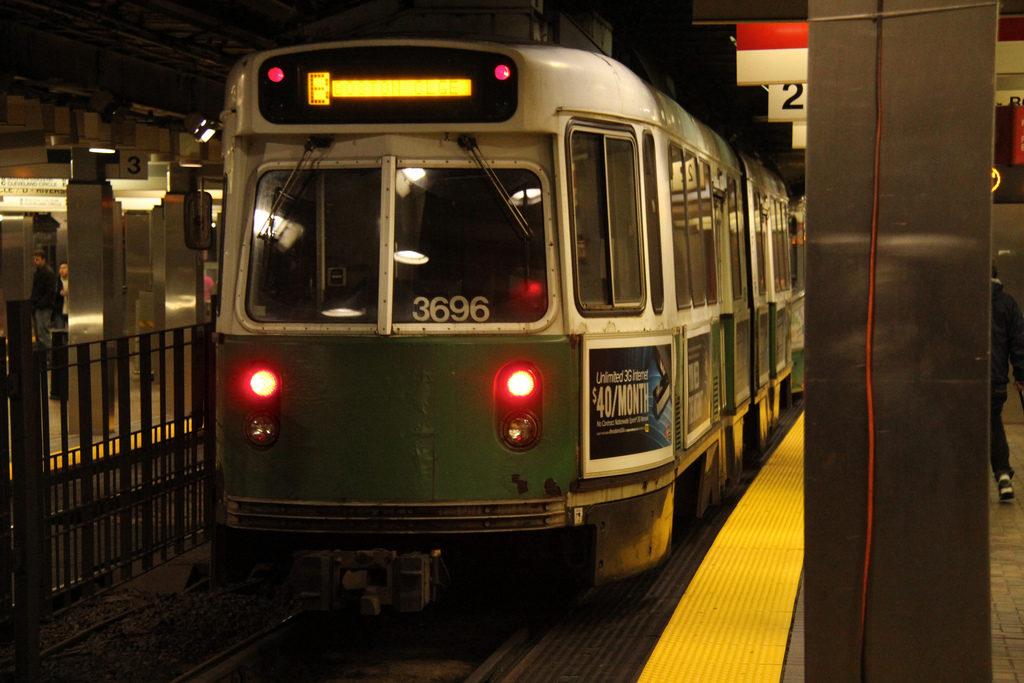
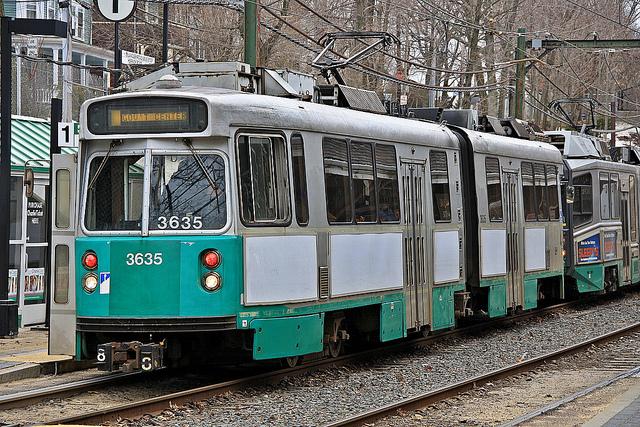
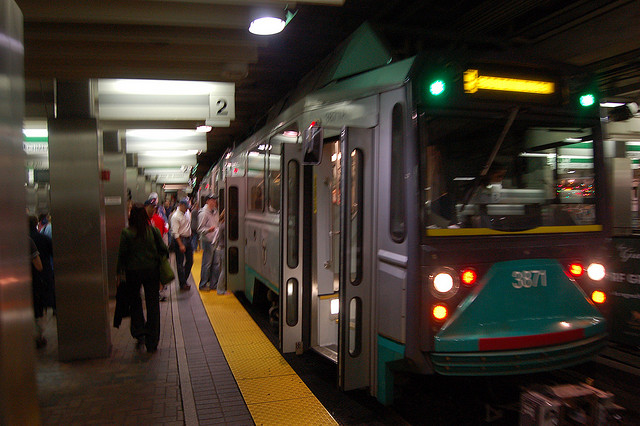
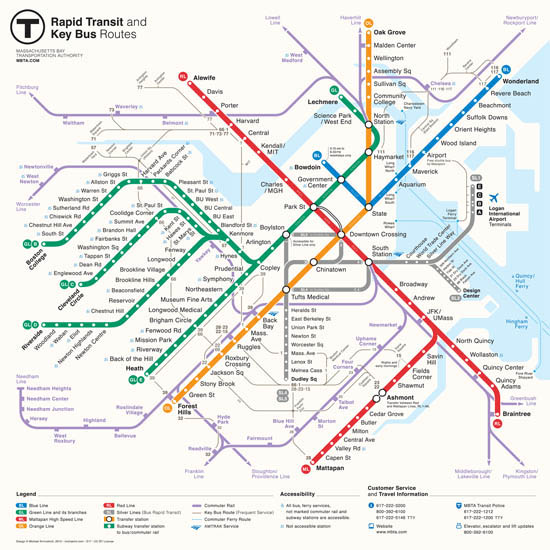
Northeastern students are easily connected to the city via the Green and Orange Lines and bus routes. We use the MBTA for professional pursuits, for classes and to enjoy the culture of Boston – at a price. A co-op student will spend $450 on monthly passes over six months. Going downtown once a weekend costs $20 monthly. One round-trip alone costs $5.
Soon, there may be a productive outlet to complain when the Green Line train comes 15 minutes late, or when the T breaks down on the way to an essential interview. The Massachusetts Bay Transportation Authority (MBTA) advisory board is creating a website for regular T-riders to rate their rides to understand the average experience.
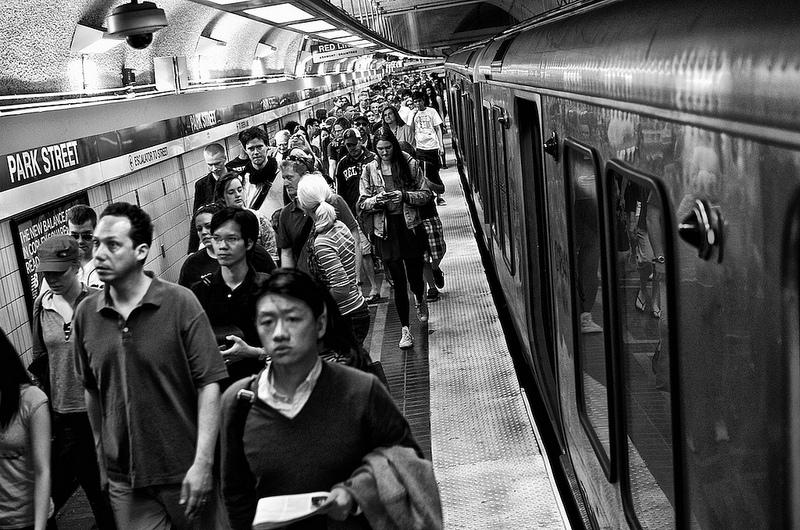
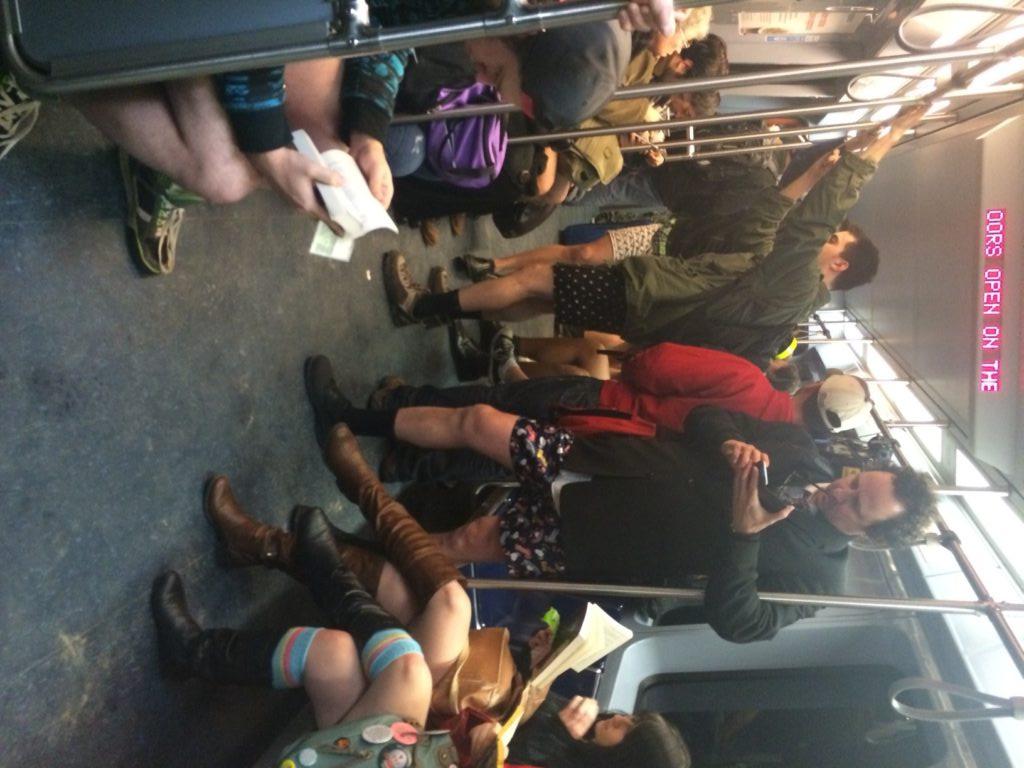
Hooded eyes, hunchbacks, and frantic fingers become of the passengers like an urban legend of metamorphosis. They warm the seats with the labor of the work they don’t care for. No one can muster the will to make any feasible eye contact except perhaps a quick aversion when elbows have been jostled or bags bumped into. Weariness and apathy sit heavy on shoulders like boulders. The doors shut mechanically, unaware of the limb it almost snapped or the nose of the person they rejected from boarding. This is what a typical ride on a subway or train is like, but what if it didn’t have to be this way?
It’s 2 a.m. on a Saturday, and even though you told yourself you’d catch the last T, you’re still downtown, just heading out of Ned Devine’s. You’ve already dished out a couple of bucks for two beers, but you need to get home somehow. With T service long over for the night, you try feebly to hail a cab, but with such high demand it isn’t until 20 freezing minutes later that you finally get one and hand $15 plus tip to the driver before walking up the stairs to your Mission Hill apartment.
After much anticipation, a start date was finally put on the two-year closure of the Government Center T station. On March 22, 2014, Government Center station, which is the 13th busiest station according to the MBTA , will close while undergoing serious renovations as part of a $90 million remodeling project.
By News Staff
Boston’s night owls will no longer have to worry about paying for a cab past 1 a.m. on the weekends, or leaving the bars early to catch the last T.
In a Nov. 3 press release, Governor Deval Patrick announced a one-year pilot program extending Massachusetts...
The Massachusetts Bay Transport Authority (MBTA) announced Mikheil Kvrivishvili, an interactive and graphic designer from Moscow, as the winner of the “New Perspectives MBTA map redesign competition” on Monday, Oct. 7.
Although Massachusetts House and Senate leaders revealing their new transportation plan on Tuesday, experts say getting on the T after 12:35 a.m. on weekends still seems to be a distant dream for Boston late-night workers and bar crawlers.
The new proposal plans to collect a $500 million fund for public transportation, which is only half of what Governor Deval Patrick originally requested in his 21st Century Transportation Plan released January.
Last week, Boston Cab Dispatch, one of the city’s largest taxi companies, filed a lawsuit against the makers of the smartphone app Uber, claiming it was essentially operating a livery service beyond city regulations, creating unfair competition. This is not the first legal hurdle Uber has faced; the city of Cambridge has openly battled with the company, suing to overturn a state ruling last summer that approved of the app’s use of GPS technology to track fares. Similar battles have been taking place across the nation.