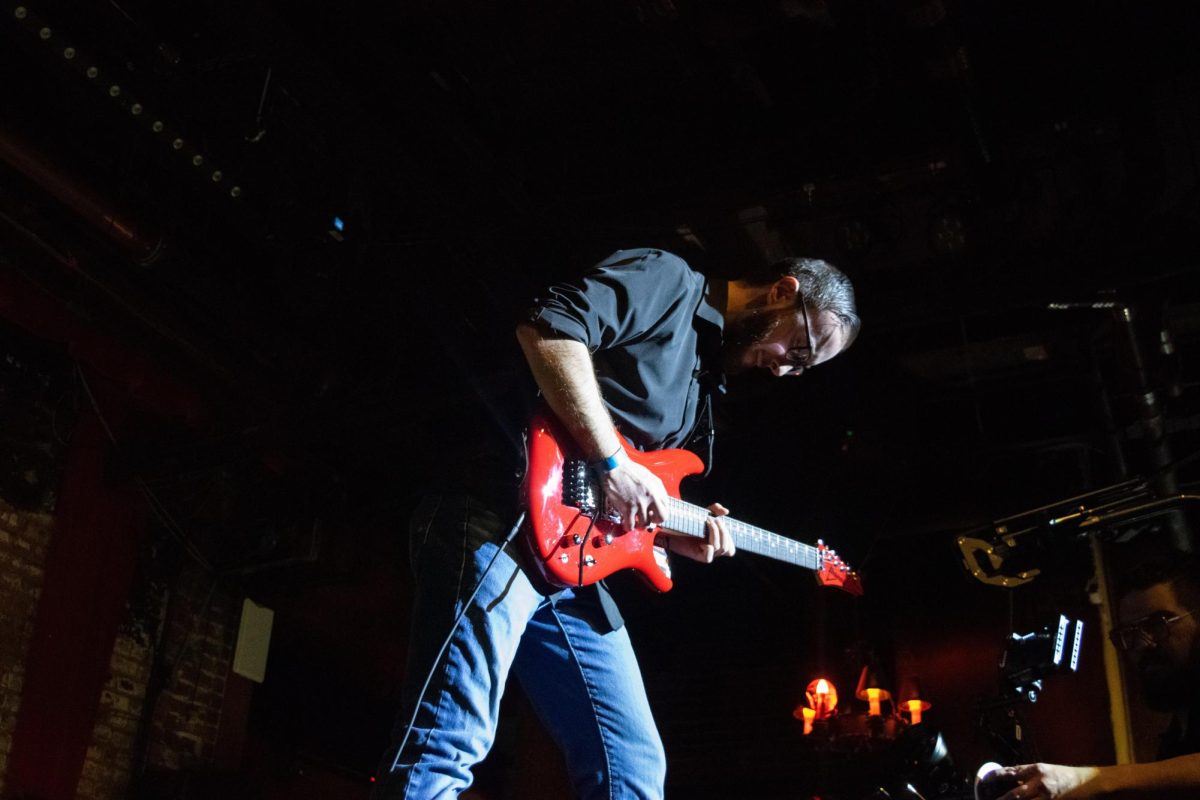



In late March 2025, Adri Pray, who was then editor-in-chief of Emerson College’s student newspaper, The Berkeley Beacon, stood in front of a room of around 40 staffers. Immigration agents had just detained Rümeysa Öztürk, a Tufts University graduate student, in Medford after she co-wrote an op-ed for the university’s student-led newspaper. The heightened anxiety among the staff, particularly international students, was palpable.
Addressing the group, she directed anyone concerned about stories they had published to please talk to her if they were worried about their legal status. In meetings, she told her editors to press on with their work, which often openly criticized the federal government as well as university administrators.
Privately, she was terrified.
“I am the leader here, like holy God,” she recalled thinking last spring. “I have to remember that people are looking to me to be the example as to how to be a journalist through these unprecedented times and I barely know what I’m doing because I’m 22, 21 at that time.”
Since the start of President Donald Trump’s second term, student journalists have been on the front lines, covering high-stakes issues including international student visa revocations, massive research funding cuts and university affiliates appearing in the Jeffrey Epstein files. Throughout the year, pressure mounted on young journalists as the Trump administration put universities under a spotlight.
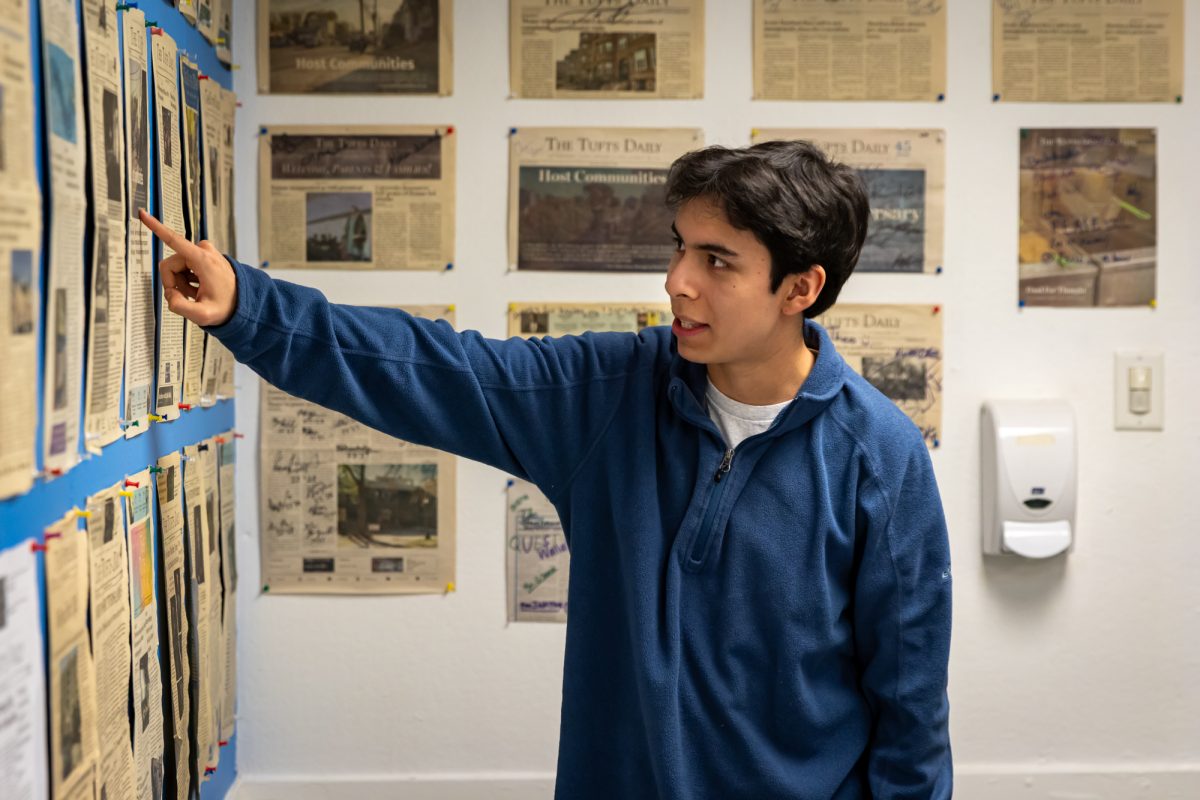
A few miles away from Pray that same week, in Medford, Josué Pérez of The Tufts Daily was in the throes of reporting on Öztürk’s unprecedented detention, which millions decried as an abuse of her First Amendment rights. Pérez, a third-year sociology major who is now editor-in-chief, said he’d stay at The Tufts Daily’s office until midnight each day when the story first broke.
A day after Immigration and Customs Enforcement, or ICE, detained Öztürk March 25, more than 2,000 protesters swarmed Powder House Park in Somerville, many donning keffiyehs and waving signs condemning ICE. Federal authorities pointed to an op-ed Öztürk co-authored, which The Tufts Daily published March 26, 2024, urging Tufts President Sunil Kumar to adopt pro-Palestinian resolutions set forth by the university’s senate.
The Tufts Daily reported on the protest, along with The Berkeley Beacon and student journalists from colleges around Boston.
“I could feel this anger, a very palpable anger, among the people that were protesting, the people that had organized the protest, and they immediately connected it to her co-authoring of the op-ed,” Pérez said.
Of all the universities caught in the administration’s crosshairs, Harvard University endured an unparalleled number of attacks from the federal government, kickstarting a messy legal battle with the White House in April 2025. As other high-profile universities like Columbia University and Northwestern University signed compacts and agreed to enact policy changes, Harvard stood its ground. Dhruv Patel, a third-year at Harvard who was a senior reporter for The Harvard Crimson last spring, is among a group of more than 400 people that staff the 153-year-old paper.
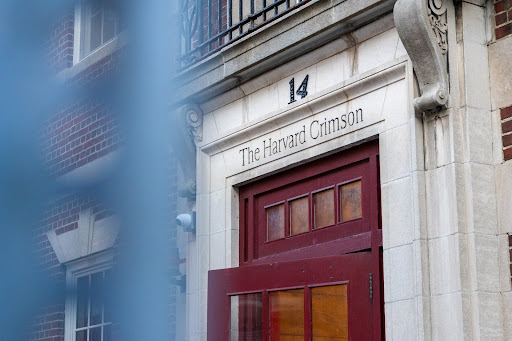
“I think it’s fair to say that a lot of us didn’t exactly anticipate just how much the federal politics and Trump’s actions would define what we would do as student reporters,” said Patel, a computer science and economics double major who currently serves as managing editor.
Swiftly after taking office, the administration froze hundreds of millions of dollars in federal research funding to universities, and Trump vowed to crack down on diversity, equity and inclusion programs and “woke” research that he claimed was muddying American academia and science. By stunting cash flow to higher education, the Trump administration proved that federal funding remains the lifeblood of both public and private universities. (In September, a federal judge ruled that the Trump administration’s freeze on more than $2.6 billion in research funding to Harvard was unconstitutional.)
“We saw that they were the ones that were first challenged with the funding cut,” Patel said. “And after that, it was very clear that funding was one of the many things that the Trump administration was using in pursuit of some of the changes that they were hoping to enact on college campuses.”
Soon after Trump took office, the Department of Education began putting select institutions under a microscope. On the campaign trail, Trump vowed to crack down on pro-Palestinian student activism following nationwide protests and encampments in spring 2024. In March, the Department of Education launched an investigation into 60 colleges and universities, including Tufts, Emerson, Boston University and Harvard, for “antisemitic discrimination and harassment.”
“I felt very watched, both on campus and nationally,” Pray said of the investigation into Emerson. “I know Emerson was being watched, so therefore we were being watched because we’re the mouthpiece of the student body like any other paper would be.”
Reporting on international students was a central focus for journalists in the past year. At the time of Öztürk’s detention, the State Department had revoked around 300 student visas. Now, it’s around 8,000, according to a State Department report released in January. Truman Dickerson, a fourth-year journalism major and editor-in-chief of Boston University’s student newspaper, The Daily Free Press, co-wrote a piece in March 2025 about international students who became afraid they would lose their legal statuses.
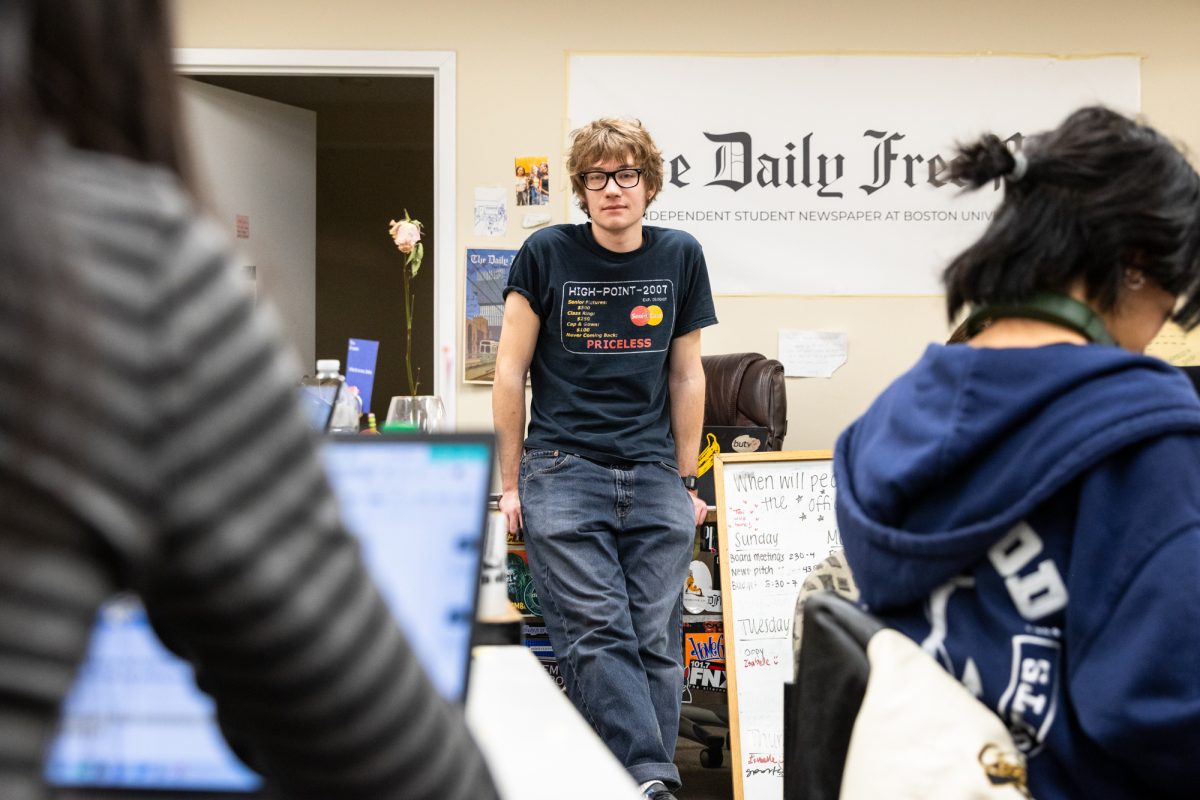
The main source in the article was an international student who asked to be anonymous, said Dickerson, who was previously the paper’s city co-editor. Although the practice of granting anonymity to sources is meant to be done sparingly, student journalists had to balance international students’ fears of deportation and their responsibility to share their peers’ stories.
“BU has so many international students,” Dickerson said. “There is a huge community there, and to not publish a story like this simply because you don’t have a source giving her full name, you feel like that’s kind of a disservice to our huge community of international students.”
By October 2025, 44 college newspapers had signed onto an amicus brief supporting Stanford University newspaper The Stanford Daily’s lawsuit against the Trump administration for its decision to revoke the visas of noncitizens who expressed pro-Palestine views. The lawsuit alleged that the fallout of those revocations resulted in fewer noncitizens feeling safe to express their views in writing. In the aftermath of Öztürk’s detention, Pérez said many wrote to the managing board asking for old op-eds to be taken down or for their name to be anonymized.
“We have a reach of several thousands of readers, and their opinion, their viewpoint isn’t being put out there. And, a lot of the time, they are very nuanced, and that perspective keeps getting lost,” he said. “I think, just in general, we keep going so far out to the extremes that we’re losing nuance, and that I think op-eds have a role in providing different perspectives that aren’t yes or no, either this or that.”
“It’s just sad that that’s what it’s come to, that people are afraid to submit op-eds because they know that there will be retribution if the government decides to look again at student newspapers,” Pérez added.
Student newspapers nationwide took down articles written by international students, who began to fear retaliation from the federal government. Pray said an alum who photographed a political protest for a news article in 2017 called her in the spring, worried that the Trump administration would deport her.
“As I was talking with her on the phone, I had no idea who she was. We had never met before,” Pray said. “She immediately was sobbing. She was immediately very upset. I could tell this was something that she was really fearful of.”
As the Trump administration ramps up its use of executive power, detaining people without serving warrants and conducting unlawful searches, some protesters have pushed for increased anonymity in print and asked not to have their faces photographed, said Meg Richards, who led The Berkeley Beacon as editor-in-chief in the fall of 2025. In October 2025, The Berkeley Beacon covered a pro-Palestinian protest that ended in the arrests of 13 students and injured multiple police officers. The protest swiftly caught the attention of local outlets.
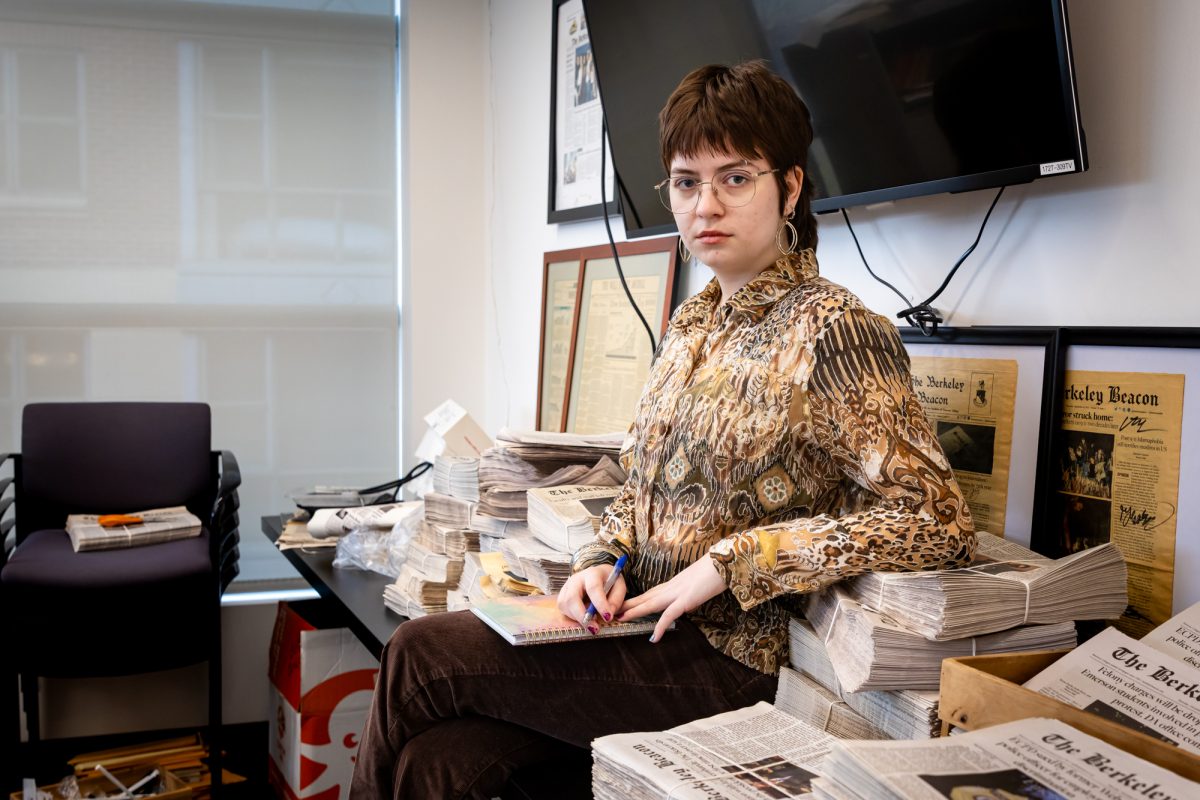
Richards, a fourth-year journalism and political communications double major, faced heavy criticism as commenters pointed out that several protesters’ faces could be seen and identified. (The Beacon took down the video, made cuts and reuploaded it.)
That night, Richards was among a small group of journalists present, most of them from The Beacon. Despite the criticism, they said, “I’m still glad we were there because otherwise, it would have been a completely different narrative in the mainstream, and it would have gone unchecked.”
Before last year, Dickerson had never covered protests for The Daily Free Press. In the last year alone, as protests proliferated nationwide, Dickerson has covered dozens in his capacity as an express desk correspondent for The Boston Globe and at The Daily Free Press. Now, he has a routine.
At protests, Dickerson said he talks to people “as fast” as he can. “And also, of course, bystanders. That’s another angle,” he added. “What are people walking by the protest thinking? Are they annoyed by it or do they understand it? You can kind of gauge the wider public’s reception that way.”
Controversy struck Boston University in November 2025 after Zac Segal, the president of the university’s College Republicans chapter, boasted on social media about calling ICE agents to raid a car wash in Allston that he suspected employed “criminals” who are not American citizens. None of the nine employees detained in the Nov. 4 raid have criminal records, according to their lawyers.
On Nov. 11, Boston University students and Allston community members protested Segal and the ICE raid. At the protest, which Dickerson covered for The Globe, the approximately 150 protesters walked from Marsh Plaza to Boston University President Melissa Gilliam’s house.
And as higher education remains a target for the federal government, media coverage from major outlets continues. But, Patel said, student journalists are in a unique position to deliver the news to their community.
“We don’t have their bureaus,” Patel said of national media outlets. “We don’t have their editors. We don’t have their resources. But what we do have on campus as students is grit and the ability to go knocking on faculty’s doors, go knocking on dorm doors. We have the ability to call students up. We have the ability to call faculty out. We have the ability to be on campus and have a firsthand eye into what goes on on campus.”
And to Richards, news written by students, for students, is a strength.
“It’s so hard to be a student right now under this administration, and no one understands that better than other students,” Richards said. “I think that’s why it’s important that they’re the ones reporting on it.”