The landscape of college sports has undergone significant changes in recent years as the NCAA’s firm resolve against athlete pay has crumbled in the face of lawsuits and government intervention. Since the Supreme Court ruled in 2021 in favor of players receiving compensation, there have been calls for stronger regulation of name, image and likeness, or NIL, deals. That regulation seems to now be arriving with the creation of the College Sports Commission.
The College Sports Commission, or CSC, was founded in June to ensure all NIL deals are fair and not purely “pay-for-play,” as well as to regulate revenue sharing. Since forming, the organization has approved 8,300 NIL deals totaling around $80 million to be paid to college athletes. The commission is tasked with approving all contracts over $600.
The commission itself was founded by the Power Five conferences in order to police the world of NIL and revenue sharing, though the NCAA will still be in charge of the enforcement of the commission’s rulings.
All deals are submitted through the NIL Go platform, where the commission then looks to see if they are “made with the purpose of using a student-athlete’s NIL for a valid business purpose and do not exceed a reasonable range of compensation,” according to the CSC. In theory, this will help prevent wealthy alumni and fans from using financial incentives to influence athletes to go to their school of choice, helping level the playing field in recruiting.
This will most likely cause issues, as deals may now be invalidated if the CSC deems them to be either above market value for a player or not for legitimate business purposes. Athletes are allowed to follow through with arbitration. According to the CSC, “If a student-athlete wants to challenge a decision by the College Sports Commission to not clear a proposed NIL deal, they have 14 days after receiving the decision to initiate the arbitration process.”
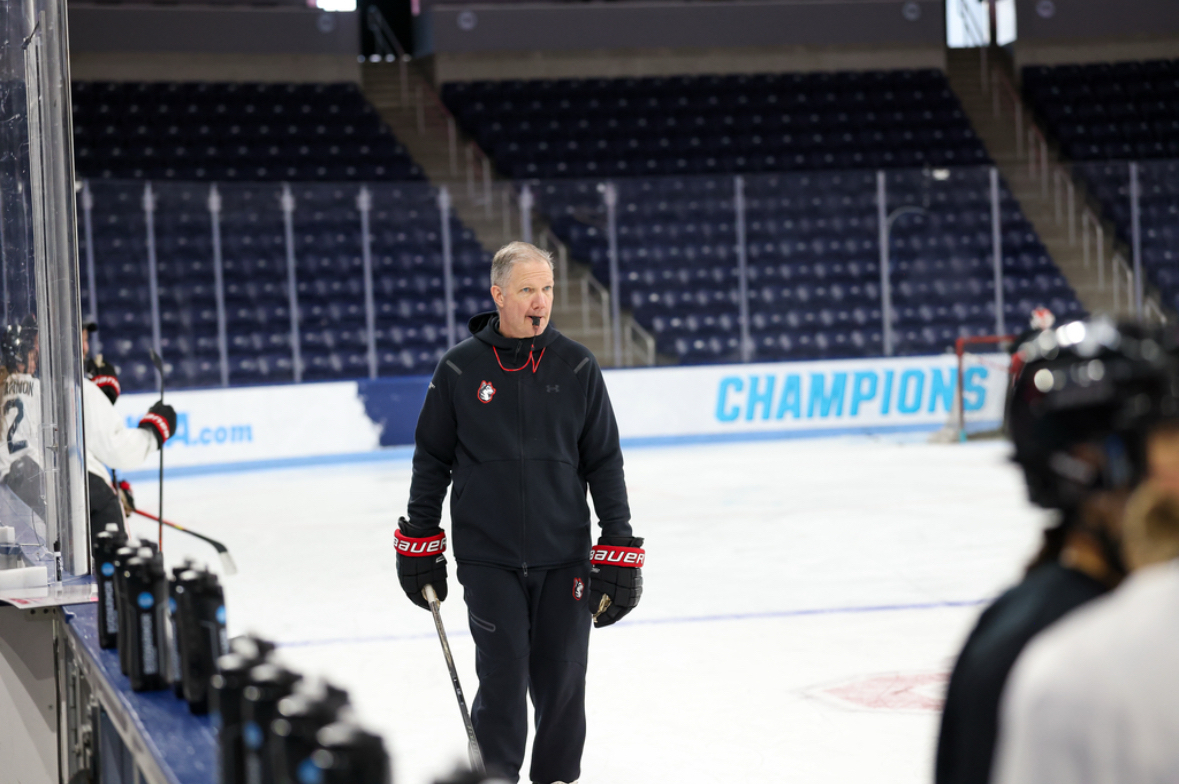
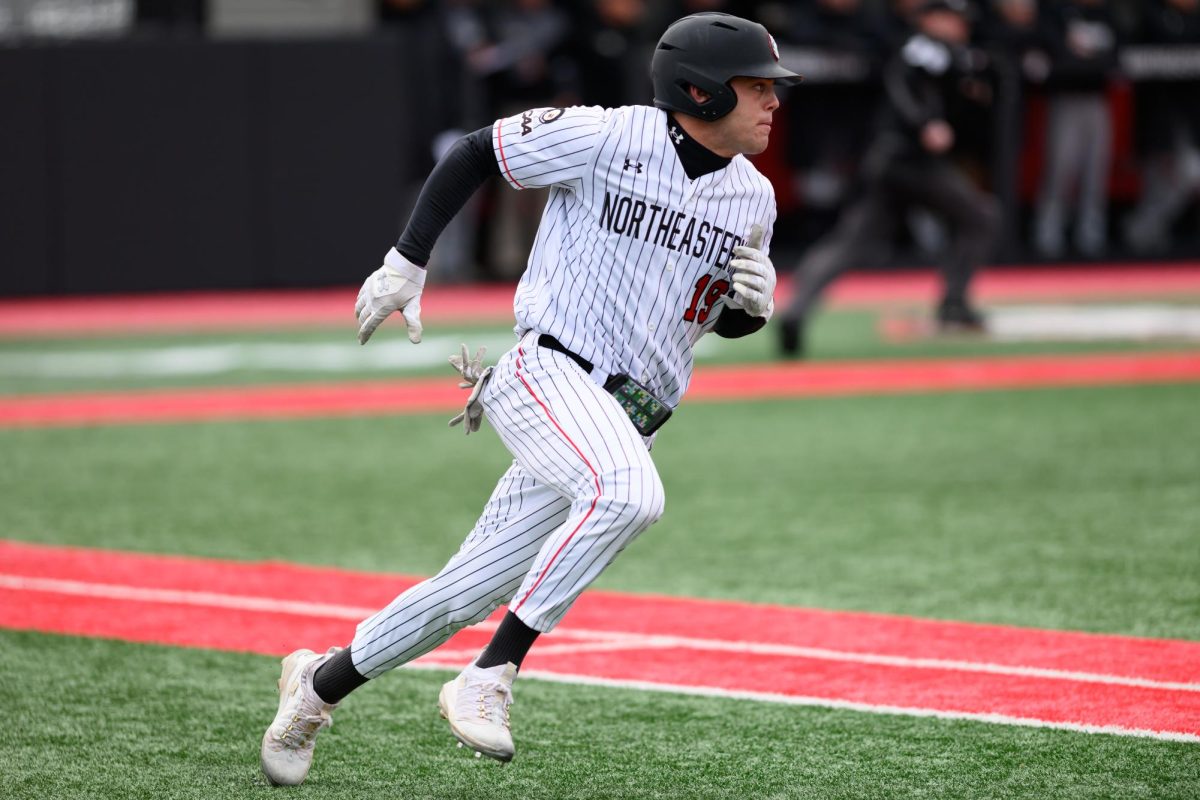
The commission will also oversee all revenue sharing between schools and their athletes. It has placed a $20.5 million cap on how much schools can pay players, which will hopefully allow schools with smaller sports programs and less revenue, like Northeastern, compete for talent.