On Sept. 20, Boston City Hall was home to the city’s first outdoor rodeo of its kind, attracting hundreds of spectators for an afternoon of western-style sport and culture in one of America’s oldest downtown districts. The event featured various riding competitions from steer wrestling to bull riding, showcasing the wide range of demands the sport places on animals and athletes alike.
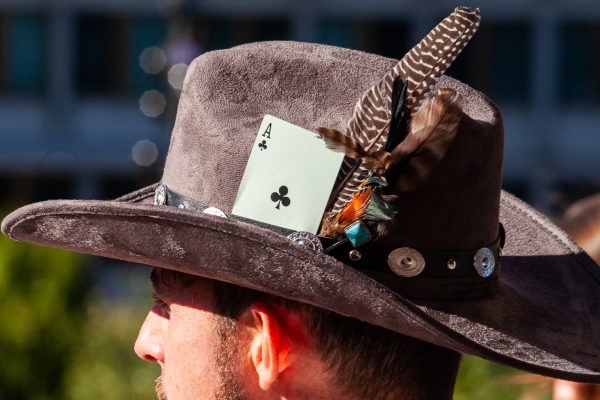
A viewer’s customized cattleman hat, characterized by an ace of clubs and exotic feathers. The rodeo featured local vendors that sold denim and styled hats.
Around the plaza, rock and country music echoed through the streets, building excitement for passersby. At City Hall, ticketholders navigated around a series of gates and passageways, which were intersected by walkways for horses and their riders. With the Boston skyline as a backdrop, it was the perfect contrast of rural and urban elements.
The Boston spectators, donning cowboy hats, denim and boots for the occasion, claimed spots on City Hall’s stepped plaza, transforming the brutalist architecture into makeshift bleachers overlooking the action below. Others got right up close to the arena that had been assembled by crews the night prior. The effort required to dump dirt, construct bucking chutes and raise bleachers — transforming the plaza into a working rodeo arena — was a testament to the passion and enthusiasm behind bringing this cultural event to Boston.
While Boston has not hosted recurring rodeos in recent years, the city has a prominent history of professional rodeo sporting. In 1936, the Professional Rodeo Cowboys Association, or PRCA, was formed out of a protest of unfair treatment. Promoter W.T. Johnson refused to add the cowboys’ entry fees to the rodeo’s total purse, a prize contestants typically compete for, which resulted in 61 performers walking out of the Boston Garden event as a pivotal moment in rodeo history. This year, the Boston Rodeo saw a total sum purse of $9,814; the highest earner was all-around cowboy Jacob Rounds at $569.
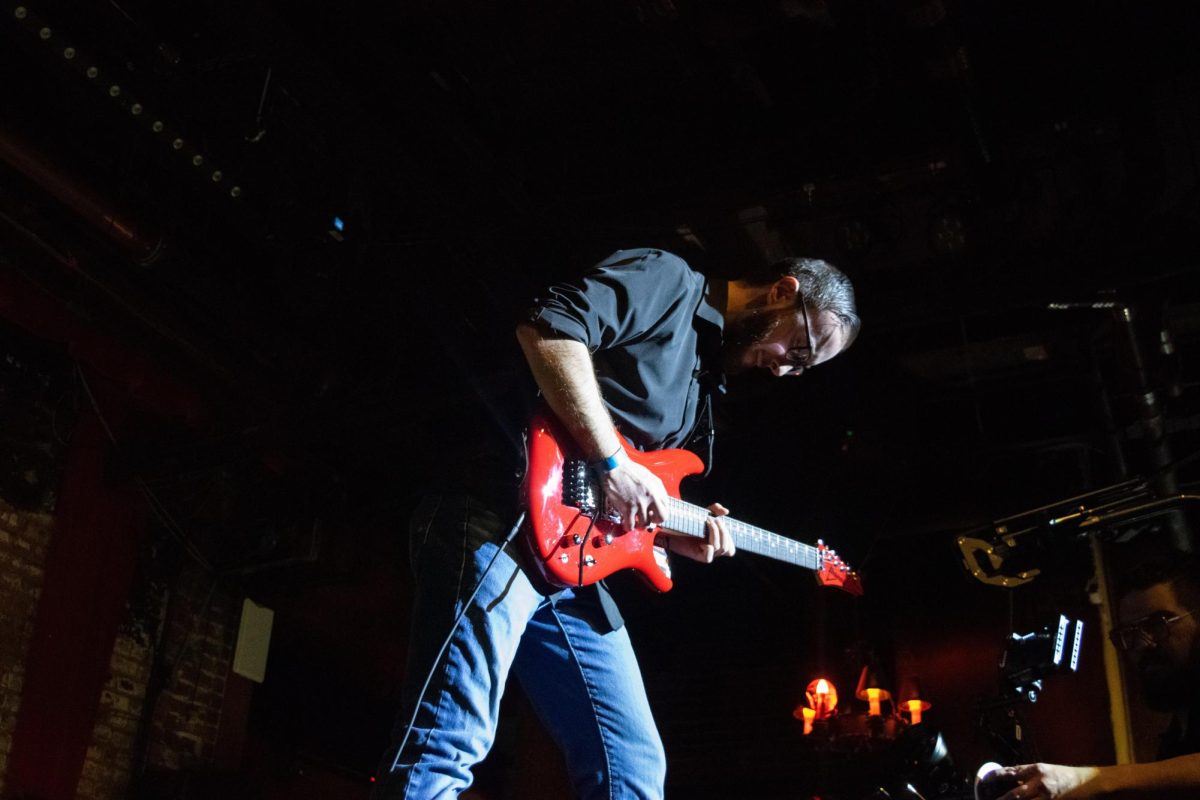
With the event scheduled for a single-day — eight and a half hours total — organizers split activities across multiple areas, offering line dancing and concerts as alternatives to watching riding competitions. The main stage featured national headliners like Evan Honer and Kassi Ashton, while the side stage showcased additional country talent throughout the day. Guests visited The Saloon — a makeshift memorabilia tent — for drinks and food and browsed countryware at the rodeo store. Those looking to test their courage for the sport mounted up on a mechanical bull.
Although the majority of fans appeared to enjoy the rodeo’s entertainment, some protested the event out of concern for animal welfare. Outside of the rodeo’s premises, some held signs advocating for the safety and wellbeing of the animals, which the PRCA refers to as “stock” or “livestock.” The PRCA has a thorough set of animal welfare rules and veterinarian presence at all events.
The Boston Rodeo delivered on its promise of bringing authentic Western culture to the city. The combination of professional rodeo competition, live music and festival atmosphere provided an afternoon of entertainment that many attendees hadn’t experienced before. For Boston, it was a unique cultural event that brought something entirely new to the historic downtown plaza.