The nation’s second “No Kings” protest occurred Saturday, Oct. 18, amid a drawn-out government shutdown, immigration raids and the deployment of federal troops in various cities. These recent events have created an environment of unrest that calls for collective action and meaningful engagement.
While these anti-Donald Trump protests attracted enormous crowds nationwide, I couldn’t help but think of the momentous change that could be accomplished if every single participant took action outside of just attending protests. Yes, it matters that people continue to show up to protests — the more presence there is, the more pressure is put on those abusing their institutional power. But in times like these, more is required of us than just “showing up.”
Active participation in social and political movements is crucial. We must put in consistent time and effort into movements we feel strongly about to make a difference — otherwise, we’re simply performative activists.
The term “performative protester” is a modern critique of activism that emerged around 2015. Understanding this term is essential to dissecting the motivations behind individuals’ participation in social and political movements.
“Performative” protesting describes actions that prioritize one’s social appearance and self-branding over making genuine, effective change — and I believe it’s very relevant to this round of the “No Kings” march.
In comparison to many political and social movements that are fostered by community and close, interpersonal bonds, “No Kings” has already been formed and polished up; it has already been organized and there’s an expected style of engagement. While it’s significant for protests to be accessible (in terms of placement, time and course of action), it can also lead to superficial engagement.
I was disappointed at some of the blatant presentations of performativity when I attended “No Kings.” In particular, one group of teenage girls took the same route to the Boston Common as my friends and I — but upon reaching the crowd, they took multiple pictures of themselves and left immediately after. There were also plenty of posts on Instagram from strangers and my peers afterward; though some appeared to be surface-level, more included additional posts on their pages or stories about social and political activism or current news, showing their consistency and commitment.
Slacktivism (a term that was first coined in 1995 that combines the words “slacker” and “activism”) has become increasingly popular in recent years. An example of this is Blackout Tuesday, in which over 28 million social media users posted a black square to their Instagram pages in remembrance of George Floyd and in protest against racialized police brutality. While this movement made waves within the social media environment, it was also deeply performative.
It’s highly unlikely that the majority of people who participated in this trend did anything beyond posting a black square, feeling freed from the responsibility of doing anything more for the movement. If half of these people committed to enhancing and supporting the movement outside of one mass-organized event, their presence and pressure would be undeniable. It’s significant to show solidarity and unity in a movement, especially the foundational stages, but involvement can’t stop there. Otherwise, any movement would be cut off at the knees.
In-person movements require interpersonal communication, involvement and bonding. These connections are what fuel lasting change, as opposed to fleeting online trends. Movements on social media will inevitably burn out faster than movements that have been fostered for years, months, weeks or even days through personalized interaction and bonding.
Now, if each individual who showed up online or in person engaged in petition-signing, lobbying, writing to elected representatives and efforts to bond with involved communities within movements, the results could be astounding. Such commitment and actions could completely transform the landscape of activism and lead to substantial systemic and institutional progress.
While the sheer number of people participating in (arguably) performative online movements such as Blackout Tuesday, #MeToo and others are staggering and may make 7 million present at “No Kings” look inconsequential, giving people hope for the power of the movement, there is still deep value in showing up physically and continuously committing time and effort to movements. We do not have to erase performative or online activism entirely, especially when it helps spread the word of protests, but it will never amount to the change and meaning that physical activism does.
“No Kings” protestors that mobilized in incredibly rural, Republican areas such as Pella, Iowa, made this point abundantly clear. Individuals connected by their beliefs and values peacefully made themselves heard. And although the majority of the area may have tried to block out anything they don’t believe in, the protestors’ presence is undeniable. There is no excuse to not be an active participant in movements; all it requires is a passion for what you believe in and a desire to make a difference.
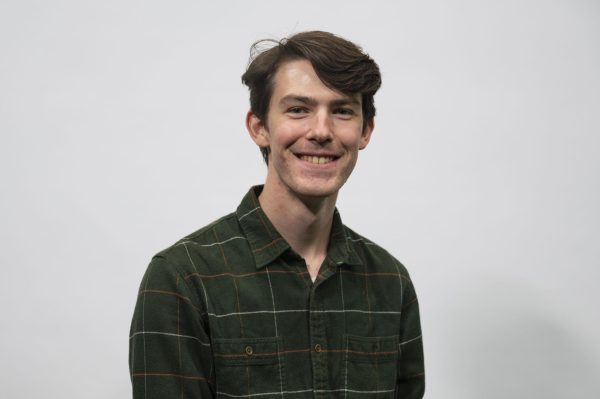
Joey Tracht is a second year communications and media studies combined major. They can be reached at tracht.j@northeastern.edu.
If you would like to submit a letter to the editor in response to this piece, email [email protected] with your idea.