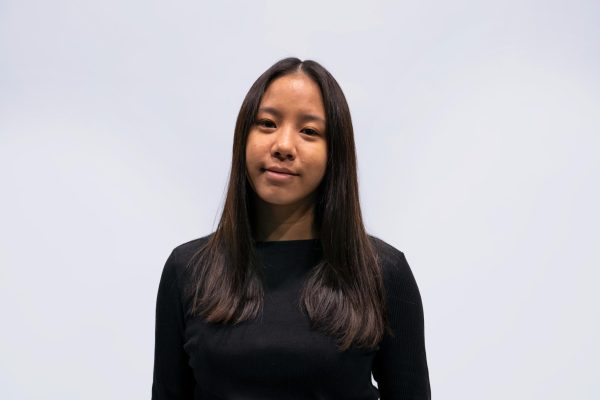
As a pre-medical student, or pre-med, I can’t tell you how many times I’ve experienced a tinge of guilt for choosing to participate in extracurriculars or schoolwork over “living large” like other college students often do.
While bar-hopping and house parties define fun for many of my peers, why can’t more students see that joy can also come from packed days of volunteering, shadowing a neurosurgeon or reading a banger research paper? Why are these “unconventional” ideas of fun so alarming to some college peers, who view these activities as boring and uncool?
In truth, no one should seek fulfillment by anyone else’s standards but their own.
During college, socializing with friends — whether it’s partying, watching movies or exploring random places — can become a default response whenever you’re unsure of how to spend your time. The thought process is simple: “If constantly spending time with friends makes everyone else happy, then it should make me happy, too.”
What kept me from doing the “boring” activities that actually brought me joy was simple: I was afraid of missing out. I worried that the experiences unique to college would pass me by if I didn’t take every opportunity to join in.
While some may wholeheartedly agree with this statement, there’s so much more to college than its social scene.
I’ve found this to be true as a member of Northeastern’s pre-med community. As a pre-med student, I spend much of my time completing requirements like clinical experience, volunteering, research and shadowing. While many of my peers deem this lifestyle stressful and demanding, it ignites a deep sense of motivation that propels me forward.
For people like me, nothing compares to the triumphant feeling of working extremely hard in silence and finally seeing that work pay off. Whether it is game-changing successes after long hours of troubleshooting in the lab or workshopping my pre-med podcast episode 25 times before its release, what makes the process gratifying is the love for the journey itself. Despite the repetition, each day brings something new — be it fresh faces, new topics of conversation, various characters I meet or unexpected lessons encountered.
Furthermore, the joy that stems from intellectual stimulation is truly unrivaled. These past few months, I’ve been conducting research through the Northeastern co-op system, which is common among many fellow pre-meds — nearly 60% of incoming medical school students participate in research during their undergraduate studies.
What I didn’t expect was how heavily encouraged it was to ask good questions. Outside of the college bubble, students obtain an opportunity to be treated as an equal and are urged to inquire like a scientist. During this research experience, I realized I had fallen in love with the process of learning again. This is something that many pre-meds find extremely difficult, given the high-volume course load that favors rote memorization over in-depth understanding.
Another invaluable experience comes from the personal connections formed through direct patient interaction. While this undertaking requires immense patience and flexibility, having a patient say, “You make me feel human again,” after giving them a shower is worth more than gold.
While the role of a clinical volunteer may seem minor compared to that of a doctor’s, it can make a larger difference than one realizes. Perhaps the patient is irritable and difficult to work with because they’re cold or sore from sitting in the same position for hours on end. To foster positive patient outcomes, Maslow’s hierarchy of needs demands that an individual fulfills the lowest tier of the needs pyramid before progressing upward — that is, ensuring they are well-fed and comfortable.
In these moments, small acts of service, like refilling the coffee pitcher or offering a patient a warm towel, allows you to live life to the fullest by directly enhancing someone else’s .
Looking back, I’d choose my most hectic days ten times over most house parties, and I continue to value a life of substance over the superficial. There is genuine enjoyment to be found in the slow, deliberate pursuit of a career in medicine. This meaningful pursuit, grounded instead in purpose and growth, often transcends college’s fleeting fun.
After all, pre-meds can most definitely live life to the fullest — by following their own paths, rather than the expected one.
Mikayla Tsai is a fourth year behavioral neuroscience major and columnist for The News. She can be reached at [email protected]
If you would like to submit a letter to the editor in response to this piece, email [email protected] with your idea.