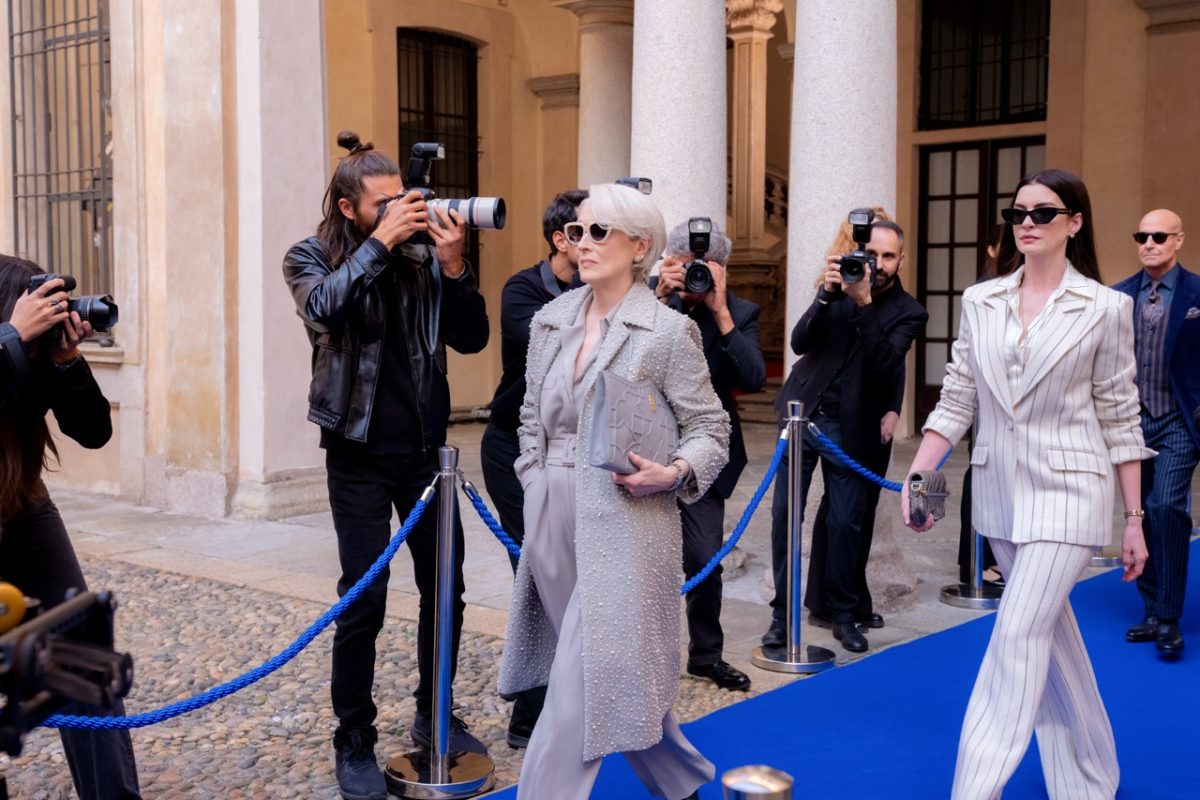
“The Devil Wears Prada” endures as an iconic stand-alone parable, though it is made somewhat less iconic by the fact that it is no longer stand-alone. Released May 1, “The Devil Wears Prada 2,” an unsolicited sequel made 20 years after the original, might serve as evidence that we are reaching a cinematic event horizon — a point where all entertainment is a reflection or continuation of something else that already exists, created just to be consumed rather than savored.
“The Devil Wears Prada” is the short and sweet story of Andy Sachs (Anne Hathaway), an aspiring journalist fresh out of college who becomes the personal assistant of the titular devil, Miranda Priestly (Meryl Streep), the Anna Wintour-inspired editor-in-chief of the fictional Vogue-like fashion magazine, Runway. Through the crucible of Miranda’s inscrutable temperament, ceaseless demands and stratospheric standards, Andy is forged from a self-pitying and unserious student into a confident professional ready to stride into the treacherous terrain of adulthood.
As is, the original film stands alongside the likes of “Kiki’s Delivery Service” and “Legally Blonde” as movies freshly-brewed adults should watch to gain confidence and have their anxieties kindly validated.
“The Devil Wears Prada 2” begins at the nadir of both its protagonists’ careers, with Andy having been sacked from her longstanding journalism job due to a corporate shake-up, and with Miranda forced to degenerate Runway into an online magazine of puff pieces and listicles in order to cling to relevance.
To reinvigorate the brand, Runway’s publisher hires Andy as the new features editor against Miranda’s knowledge or wishes, forcing the former tormentor and tormentee to team up in order to salvage the magazine from obsolescence.
Miranda spends the film chafing against the minimization of media into disposable scroll fodder, coming up against young-gun Runway chairman Jay Ravitz (B.J. Novak) and buffoonish AI-obsessed tech-bro Benji Barnes (Justin Theroux), comedic foils who want to sweep away the old to make room for the new: an efficient and commercially viable Runway.
It is in this sense that the film, if not shines, at least glimmers, rallying for authentic artistic expression against the sinking of culture into a regurgitative capitalist mire. Still, however cathartic a message that may be, “The Devil Wears Prada 2” struggles to decide what authenticity actually is.
One of the main side plots of the film is Andy’s failure to write successful articles for Runway. She flexes her journalistic muscles and creates in-depth pieces about niche, interesting topics, but they are beaten out by puff pieces about coconut water and celebrities every time.
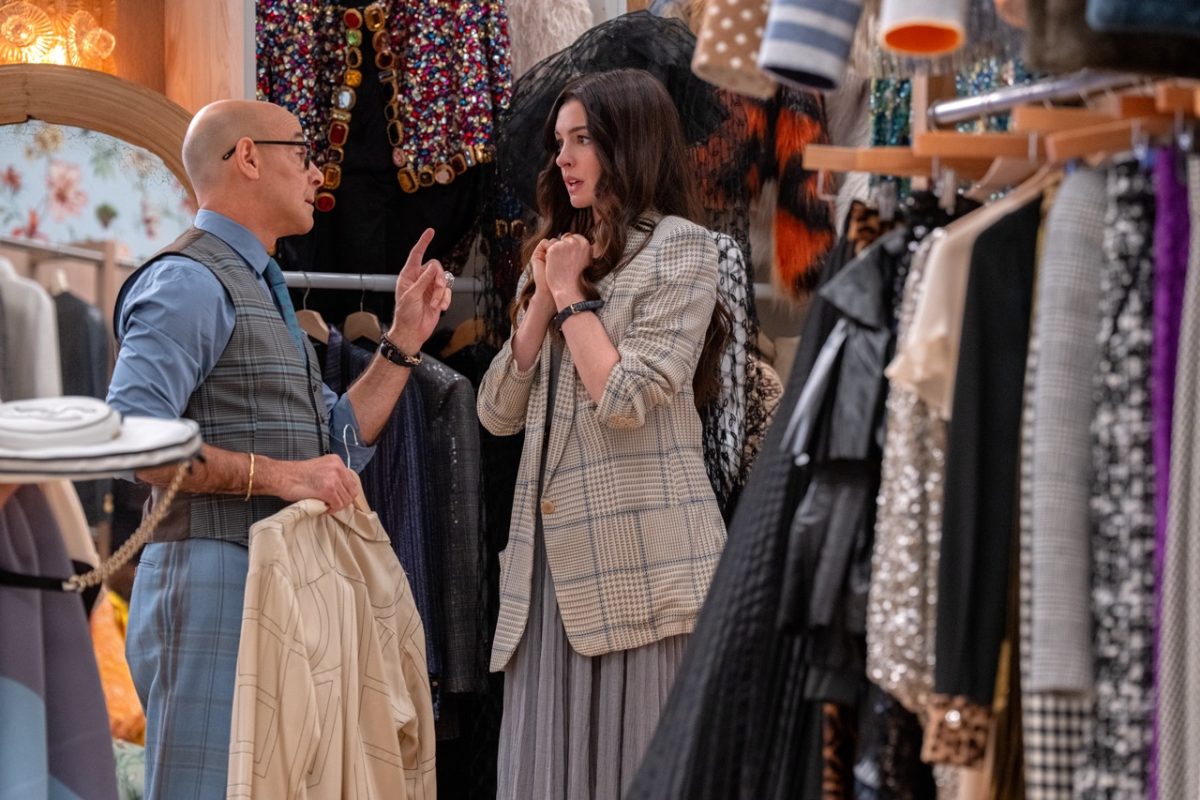
It is only when she lands an interview with a reclusive billionaire divorcee that she hits gold, whereupon it is framed like she struck some victory for Runway’s journalistic integrity. So what is this saying about authenticity in our modern world? That people will eat slop nine times out of ten and that you must cater to their piggish desires?
“The Devil Wears Prada 2” talks at great lengths about the value of good work and artistry, but it never really defines its terms or cares to detail what authenticity even is, just that it is good.
In the 2006 film, “value” is defined on very personal terms. Andy goes into Runway seeing fashion as just “stuff” you buy to wear, but by observing the care others put into their work and her own desire to excel at her job, she learns to see the importance of fashion as a way of self expression and boosting confidence, even developing her own personal style.
In contrast, the 2026 film defines “value” on societal terms; Runway deserves to exist as it has been rather than being cut down to some low-calorie tripe. This is epitomized in Miranda’s interactions with Emily Charlton (Emily Blunt), her former sycophant turned vengeful corporate rival who seeks to buy Runway out from under her. As Miranda bitingly says, Emily is “a vendor, not a visionary.” It’s easily the most iconic line of the film, but it’s also a hypocritical one: Runway, in fact, doesn’t exist without said vendors.
Beyond its themes, where “The Devil Wears Prada 2” stumbles the most is in its main protagonist, Andy. Putting aside how fundamentally depressing it is that two decades after her formative experience at Runway, Andy must actually return to work there, as if the most important things she ever did and people she ever met were during the half a year she spent being a secretary right out of college, Andy herself is barely a character in this film.
Andy is a 40-year-old industry professional, but the sequel impulsively regresses her to a jittery, cowed, awkward little bean, harkening back to the halcyon days when Miranda terrorized her with impunity.
Though Andy begins to act as Miranda’s semi-equal confidant soon enough, it simply renders her without narrative purpose outside of being the point-of-view character. The narrative attempts to remedy this by providing her with a boyfriend, Peter (Patrick Brammall), but he is so boring in both appearance and demeanor that he really only exists to take up space.
His kindly, unassertive presence seems like a reflexive response to viewers who perceived Nate Cooper (Adrian Grenier), Andy’s boyfriend from the first film, as a whiney, manipulative manchild. However, while Nate is all of those things and more, the deterioration of his and Andy’s relationship served as a barometer for how much Andy’s sacrifices for work were beginning to make her as jaded and solitary as Miranda.
In comparison, Mr. Peter Whatshisname in this movie serves no meaningful purpose, aside from a sudden separation from Andy in the third act for drama’s sake, which is distracting in its pointlessness. The greatest sin of all of this is that the focus on Andy and her mannequin boyfriend takes away from the true main character of this sequel, who is obviously Miranda.
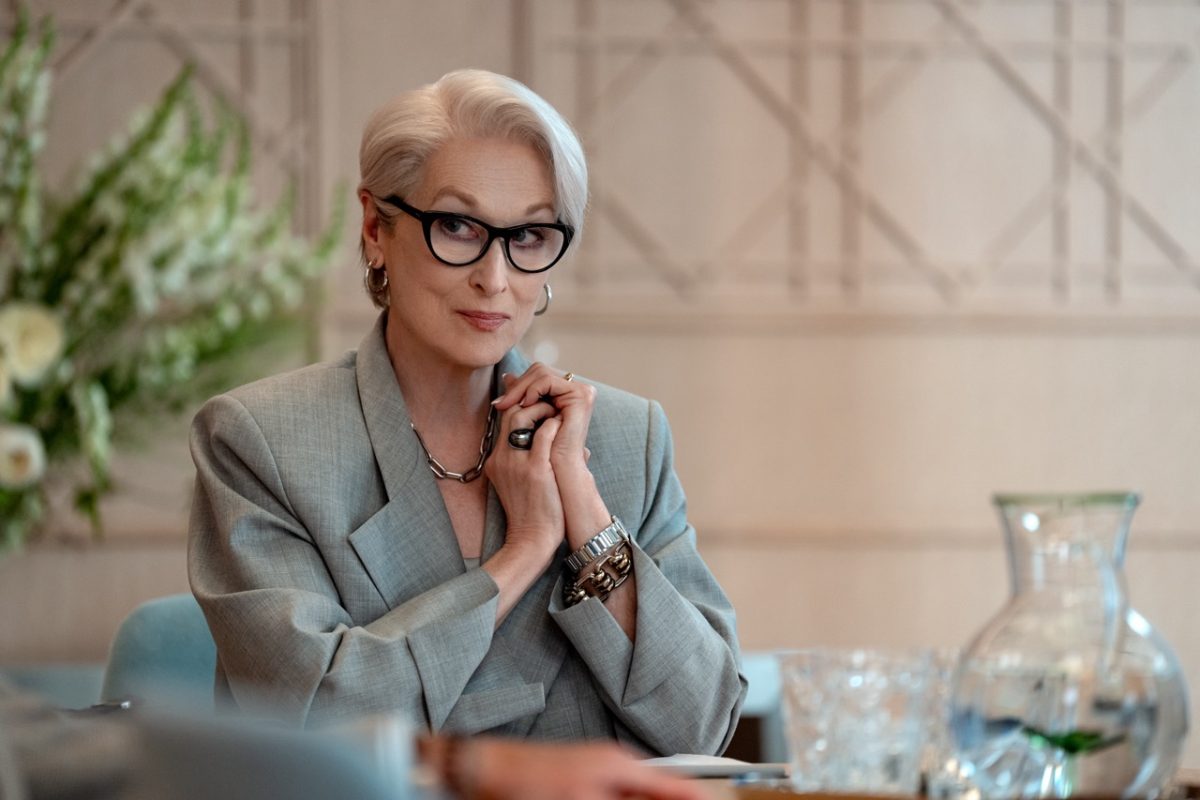
Like the first film, all of the best parts of this movie belong to Meryl Streep. All of the coldest lines and the most iconic reactions are hers and hers alone. However, unlike the original, Miranda also steps in as the real heart of this film as opposed to Andy. Like a declawed dragon leashed in a petting zoo, we see Miranda thoroughly out of her comfort zone, constantly on the backfoot, having to play ball with people she hates and doesn’t fully understand, wrestling with an industry pulling away from her and unable to verbally demolish her underlings without receiving an HR violation (not that she doesn’t do it anyway).
Whereas we only got a few impactful peeks through the keyhole in the first movie, here viewers get a comparative exposé on her anxieties and self doubt. Unfortunately, while it’s more than fans previously had, it’s less than they deserve, as for the most part, Andy is forced to remain the main character and point of focus. There are glimpses into Miranda’s positive relationship with her newest husband and mentions of her strained relationship with her twins from her overcommitment to her work, but that’s all they are: glimpses and mentions.
The writers, in order to keep Miranda the unknowable ice queen she was in 2006, restrained themselves. Miranda only really exists when Andy is in frame. If the first film was about a young Andy growing and moving forward into her professional career, this one should have been about an older Miranda looking back and assessing if there is still a place for her in the industry she helped sculpt. Still, Miranda is Miranda, iconic and immortal, and any amount of her is a blessing in and of itself. For providing that alone, the existence of “The Devil Wears Prada 2” is somewhat justified.
Despite its bone-deep flaws, “The Devil Wears Prada 2” is not a particularly hateable movie. The characters are as charismatic and funny as they were in the first, their relationships just as addicting to watch and their insults just as clever. Mercifully, this sequel doesn’t retroactively ruin or diminish the original, in fact maintaining a reverence for its roots at all times — perhaps too much of a reverence given the sheer number of references to the first movie. But there are worse source materials to call back to, and, if anything, it renders the two a satisfying pair to watch together.
Ultimately, “The Devil Wears Prada 2” is a harmless, semi-charming sequel to a masterpiece, which only fails in how it does and does not attempt to grow out from its predecessor’s shadow.