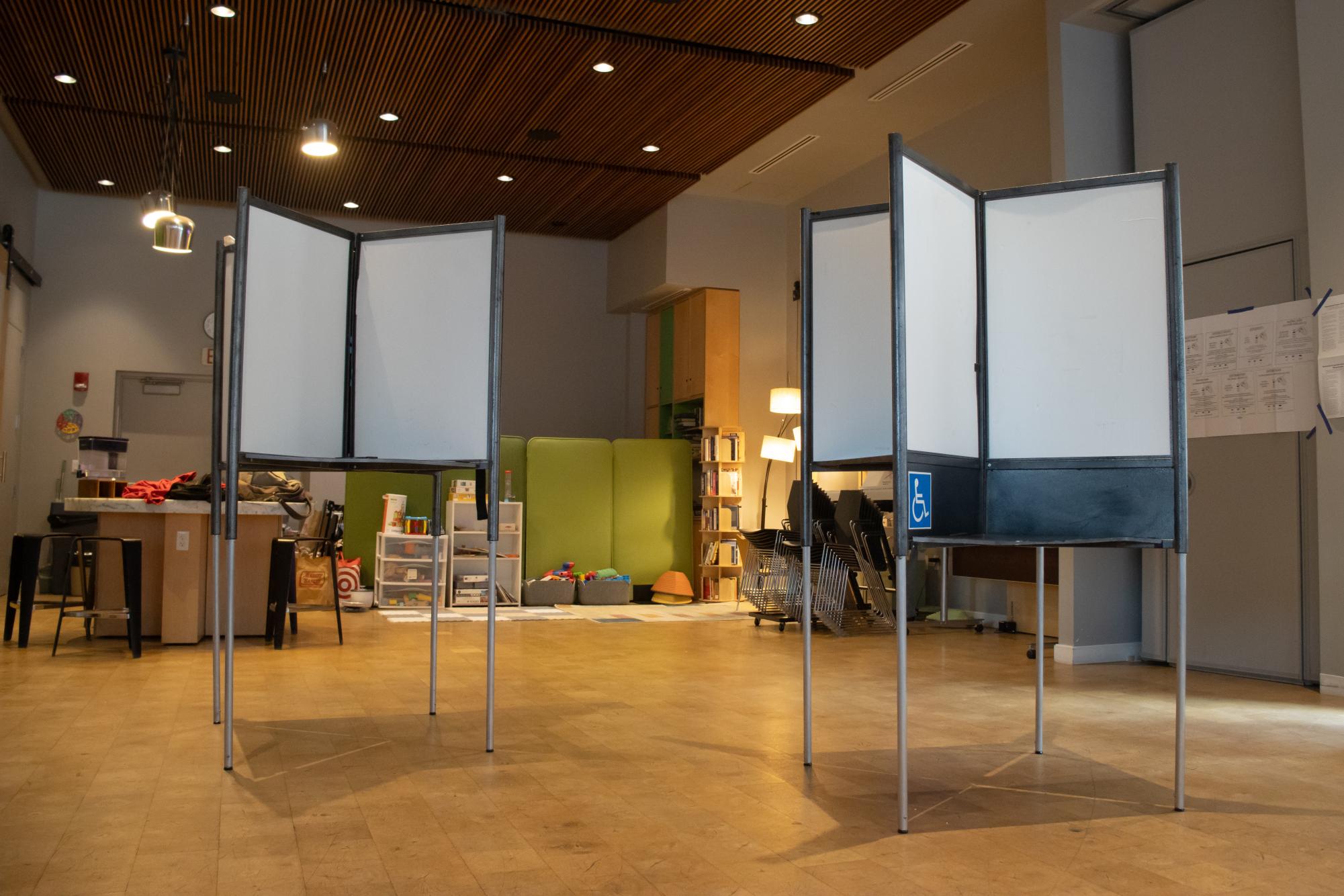
On Sept. 9, Bostonians gathered at polling sites across the city to cast their vote in the Boston preliminary municipal election. From 7 a.m. to 8 p.m., voters picked their top choice for the positions of mayor, city councilor at-large and several district city councilors. The winning candidates will advance to the general election Nov. 4.
Unsurprisingly, incumbents dominated in every city council election except district 7 where the council seat is currently vacant. The district’s top two finishers, Said Ahmed and Miniard Culpepper will go head to head in November to fill the position following former City Councilor Tania Fernandes Anderson’s indictment.
For many, just one thing brought them out to the polls: the mayoral race. This year, four candidates were on the ballot: Incumbent Mayor Michelle Wu, Josh Kraft, Robert Cappucci and Domingos DaRosa.
In an expected landslide, Wu and Kraft secured their spots on the ballot this November, earning 72% and 23.1% of the vote, respectively.
Both candidates have taken a strong stance on the housing shortage in Boston, with Wu stating she wants to build and keep affordable housing available in the city and Kraft, the son of New England Patriots owner Robert Kraft, proposing a series of tax incentives to stabilize rent.
The candidates also differ in their opinions on transportation. Wu has taken an expansive approach to the issue, proposing the creation of more bike and bus lanes, while Kraft wants to focus on parking congestion by pausing bike lane expansion.
Wu took office in 2021, making history as the first woman and person of color to be elected mayor of Boston. During her nearly 4 years in office, she has passed net zero carbon policy, launched Boston Family Days, a program that allows Boston Public School students to visit several institutions across the city on select days for free and increased the ridership of free bus lines.
Paris Bishop, a barista in Seaport, hopes to see Wu build “better transit” if elected for a second term.
Sarita Red Thunder, a stay-at-home mom of two living in Fenway, said Wu’s family-oriented policy earned her vote.
“Some of the recent changes that have happened in the city have been really beneficial to my family, with my kids and noticing there’s a lot more programming for children and family,” Red Thunder said. “… [Wu] seems like she’s always out and about and really listening to people and it’s been exciting. I haven’t met her, but just seeing her out at some of the events has been really inspiring.”
Theresa Becker, a pediatric emergency doctor, also cast her ballot for Wu.
“Our policies align. I am all about making sure that the current environment is safe for everyone, especially children and immigrants,” Becker said.
On the other hand, Becker said she didn’t “have much to say about [Kraft].”
“He came to speak where I live, and he didn’t seem to have a good grasp of the issues when [my community] asked him questions,” she said.
Some voters, like Kevin Galvez, a lifelong Fenway resident, weren’t excited about any of the candidates but showed up to the polls out of principle.
“Though Boston’s obviously a pretty blue city, I still think it’s important to show that type of support,” Galvez said. “If you have a grip over something like a certain district politically, you don’t want to let that slip, right?”
Galvez is currently a graduate student in philosophy at Boston College. He feels particularly frustrated with this year’s candidates’ focus on what he sees as “meaningless crap” rather than the serious issues affecting his community.
“I see a lot of opposition parties, and they’re not really even bothering to pretend,” Galvez said. “Like you see some candidates and their top priority is meaningless crap like bike lanes. Like less bike lanes, who cares?”
Though he’s been registered to vote since he turned 18, this is Galvez’s first time voting in the municipal primaries, and he urges other young people to get involved as well.
“You’ve seen how [expletive] up everything is. Don’t let it get worse,” he said.
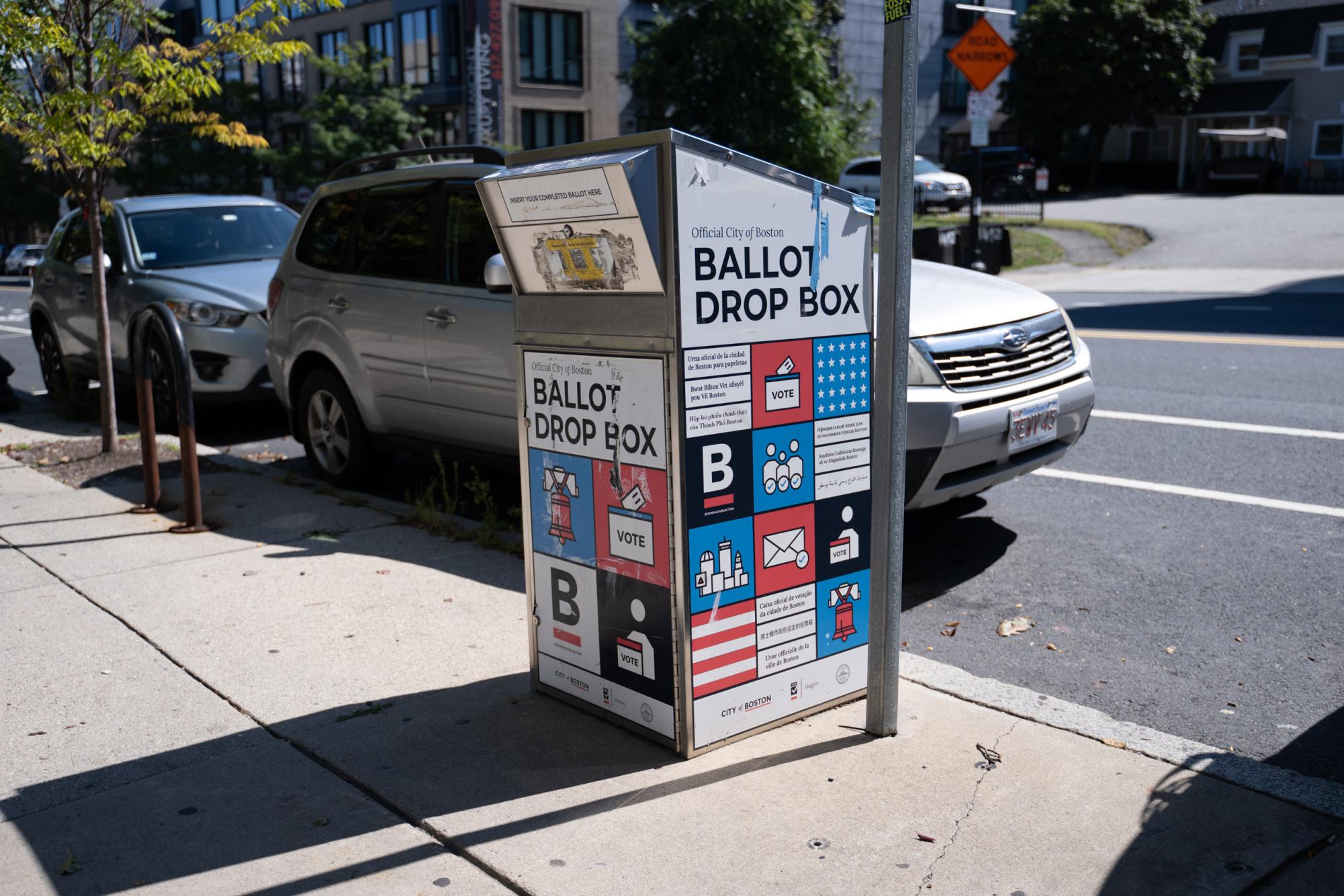
Still, thousands of Bostonians every year fail to make it to the polls, especially for municipal elections. In 2023, though 189,439 residents were registered to vote, only 28,493 cast a ballot in that year’s municipal primary elections.
Quinton Robinson, a security officer at Boston Public Library who lives in Dorchester, decided not to cast a ballot this year.
“I don’t know enough about the parties,” he said. “I believe I have to fully understand what good they are trying to do before I make a decision.”
Sam Fidler, director of administration and finance at the Mayor’s Office of Arts and Culture and a Fenway resident, emphasized the importance of going out and voting in local elections no matter which candidate residents are supporting.
“It is a superpower to be able to go and let your elected officials know what it is you want and also to have your elected officials be people that you approve of specifically,” Fidler said. “I know it can feel like a drop in the bucket, but … it is within your power to make what you want happen, and that’s the way that you can do it.”
News correspondent Annalise Karamas contributed reporting.