Every winter in Boston, when the Green Line screeches like a banshee after a 20-minute delay and the once-white snow turns to grey mush, one can begin to question: Why live here? Compared to sunny Los Angeles or the concrete jungle of New York City, Boston often feels next-best — cold and, well, a bit dull.
Despite the grievances, many of the city’s long-term residents take immense pride in being Bostonians.
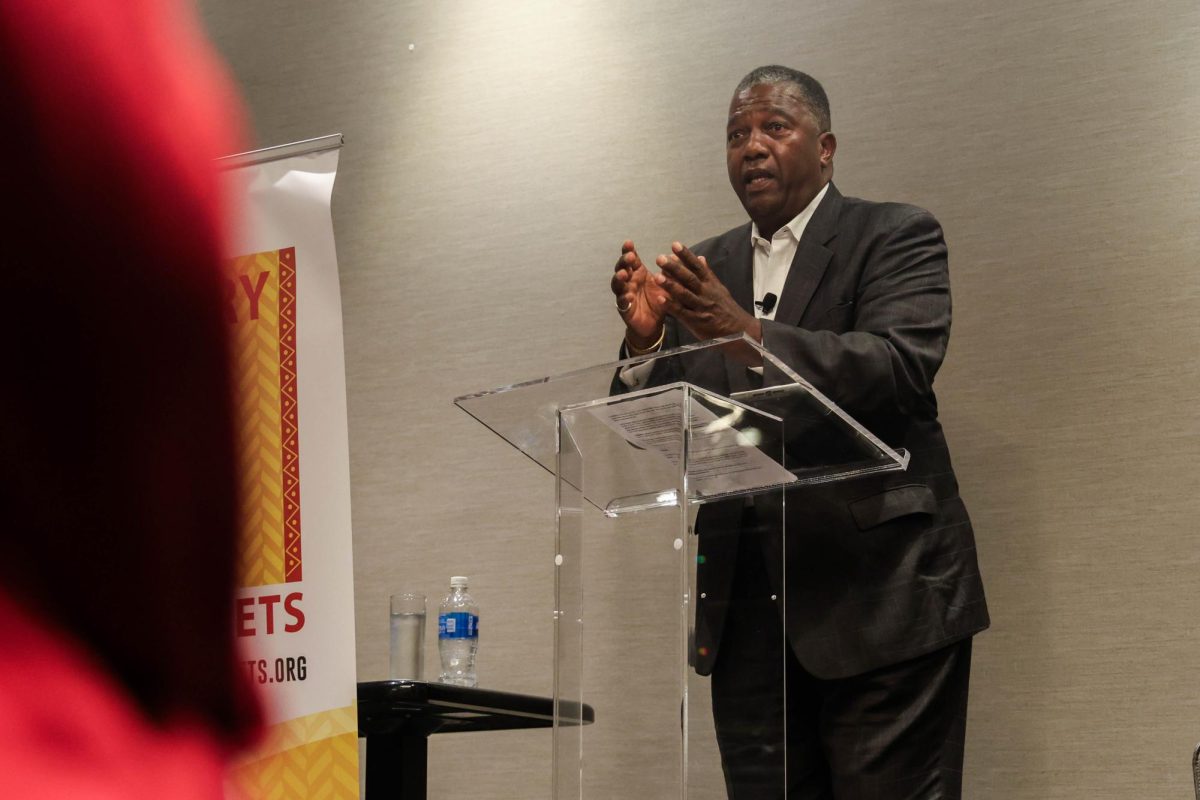
Dan Kennedy, a Northeastern journalism professor and alumnus who has lived his entire life in or around the area, recalled a very different Boston from the one he knew when he graduated in 1979.
“I lived on Beacon Hill. Believe it or not, there was a cheap side of Beacon Hill back then,” Kennedy said. “It was a cheap apartment with cockroaches.”
Since 1970, Boston has gained more than 30,000 new residents. As demand increases, so does rent. More than half of renters in the greater Boston area are rent-burdened, spending over 30% of their income on housing. New construction permits have also dropped 44% since 2021.
“Building-wise, the bones are the same, but it was a more run down and dirty city than what it is today,” Kennedy said. “I don’t like all the money that has come in … When people say, ‘Oh, Boston is so much nicer than it used to be’ — It is, but that comes with a cost.”
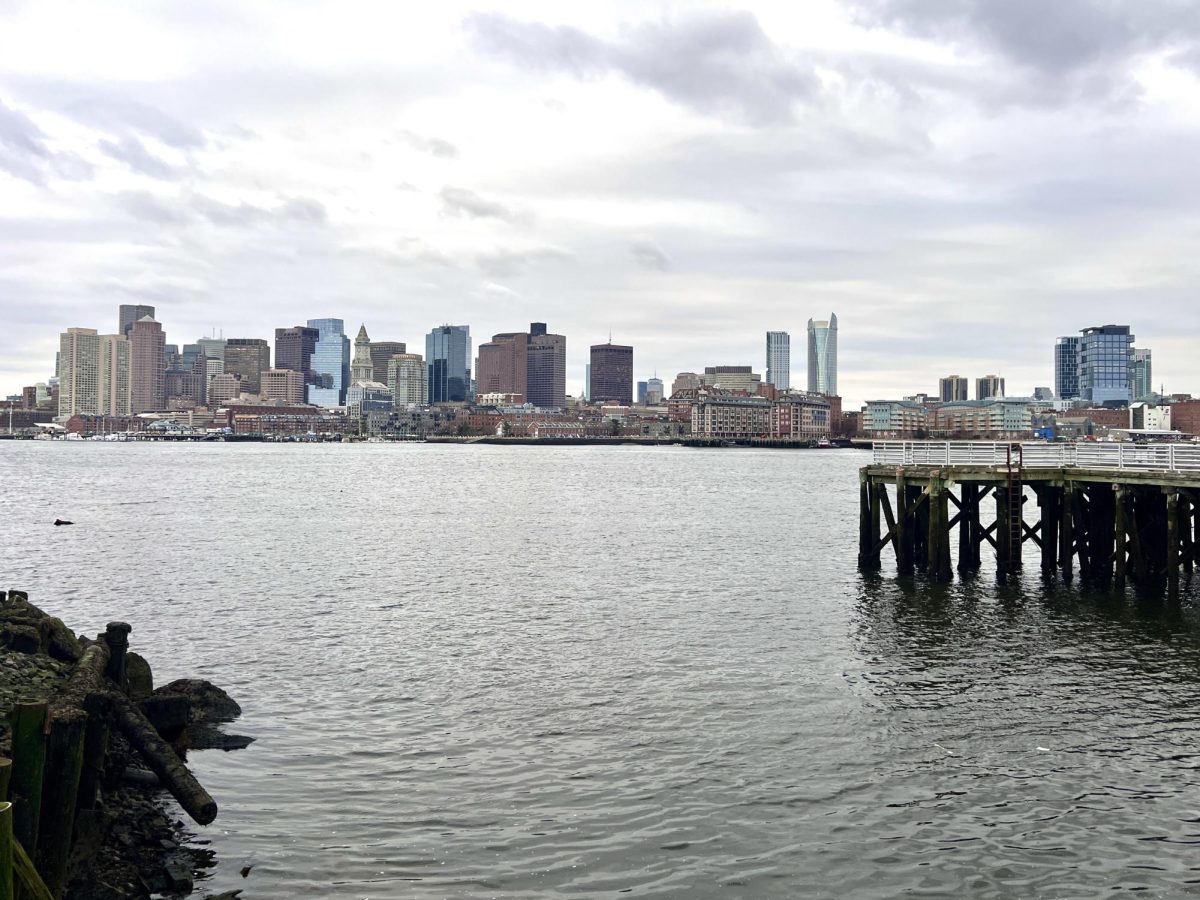
Angel Amaya, a fourth-year computer engineering major at Boston University, or BU, who was born and raised in East Boston, fondly remembers summers spent playing in city parks and carries a deep appreciation for East Boston’s Latino community.
“There’s a very small Latino community in Boston, but they are in East Boston, that’s for sure,” Amaya said. “[East Boston] was a lot more unified back then. Gentrification happened.”
According to 2022 ¡Avancemos Ya! research from Boston Indicators, Latinos in Boston face greater levels of economic oppression than Latinos nationally, and that weight is only made more crushing by the staggering housing crisis. “[Boston] definitely changed a lot, and it’s only going to continue changing,” Amaya said.
Many residents are facing extreme economic oppression amid a housing crisis and a dark (and ongoing) history of racism in Boston. In fact, Boston has a long-standing reputation for being one of the most racist cities in America; rental discrimination runs rampant in Boston, income segregation has increased over the past 40 years and Boston consistently ranks low on cross-group exposure despite being a diverse metropolitan area.
“One thing that does not make me proud at all is that we always have the reputation of being the most racist city in America,” Kennedy said.
In 2022, Massachusetts ranked second in the nation for white nationalist propaganda activity, and it remains high among the most segregated cities in America. “We’ve still got a long way to go,” Kennedy said.
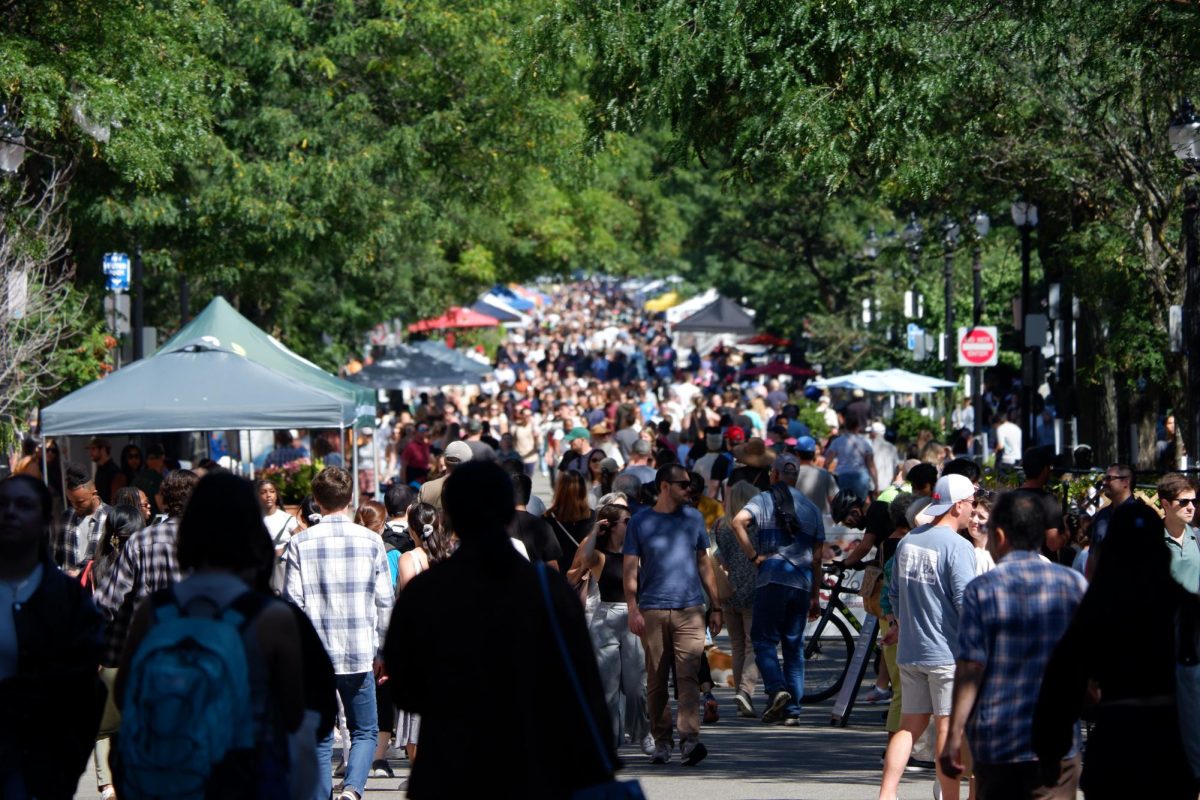
In order to infuse cash into local economies, long-term residents remain advocates for their neighborhoods. Citywide intentional, co-housing communities, such as Cambridge Cohousing and the Millstone Co-op, combat unaffordable housing, and effective community organizing has led to the installation of new living facilities, such as the Maria Sanchez House in Mission Hill. The Boston Public Market, Open Streets festivals and other free public events support local businesses and help financially-challenged community members not only stay in Boston but also enjoy what it has to offer.
Primary among such attractions is Boston’s nationally-renowned education system, with public schools ranking first in quality and second in safety.
“I’m a byproduct of Boston Public Schools,” Amaya said. “When you are a resident of Boston, you have access to the best public schools in the country.”
Although residents have complaints about Boston’s public transit, the MBTA was recently ranked first in the country for accessibility, reliability and functionality. “As much as we all mock the MBTA, we really do have a good public transportation system,” Kennedy said.
For those who don’t use public transportation, Boston is also ranked among the top 10 most walkable cities in America, clocking in at number six.
Whether you’re stomping on Beacon Hill’s cobblestones or remembering the Freedom Trail exists, there’s plenty of green space — the Emerald Necklace connects 1,100 green acres and waterways, spanning nine major parks across Boston, including the beloved Boston Common.
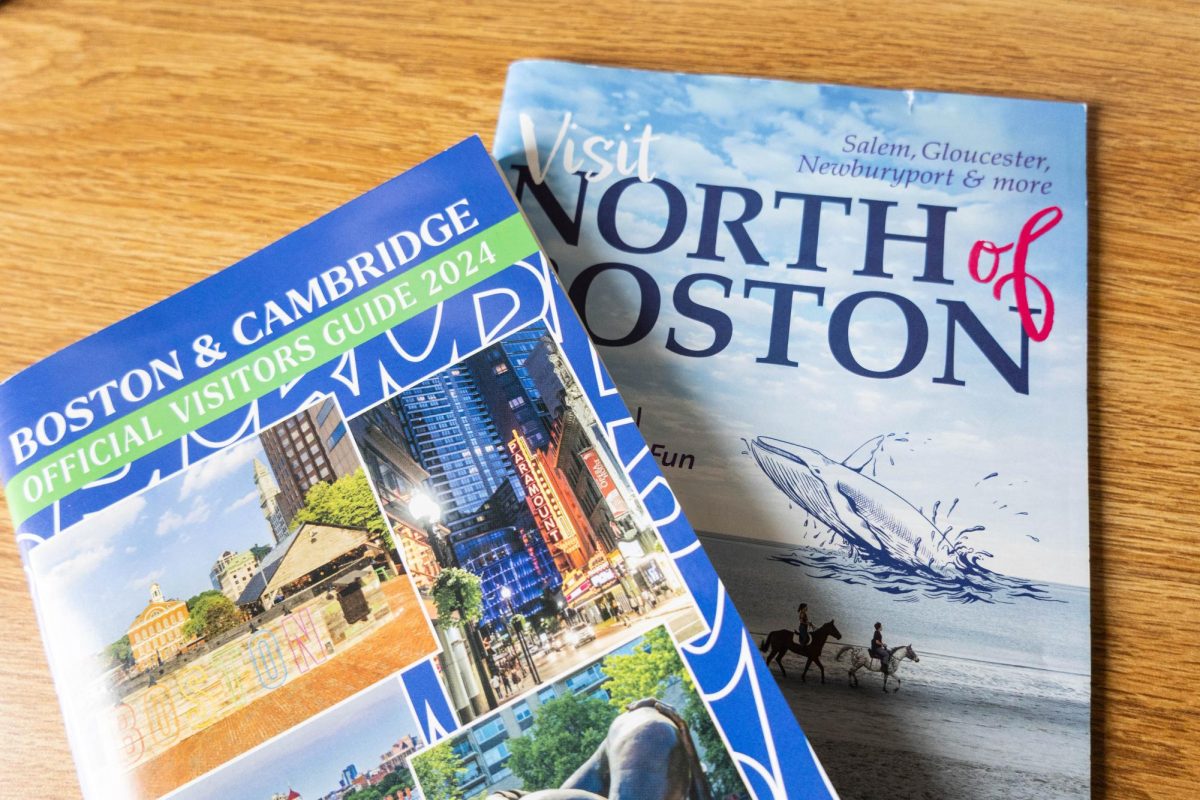
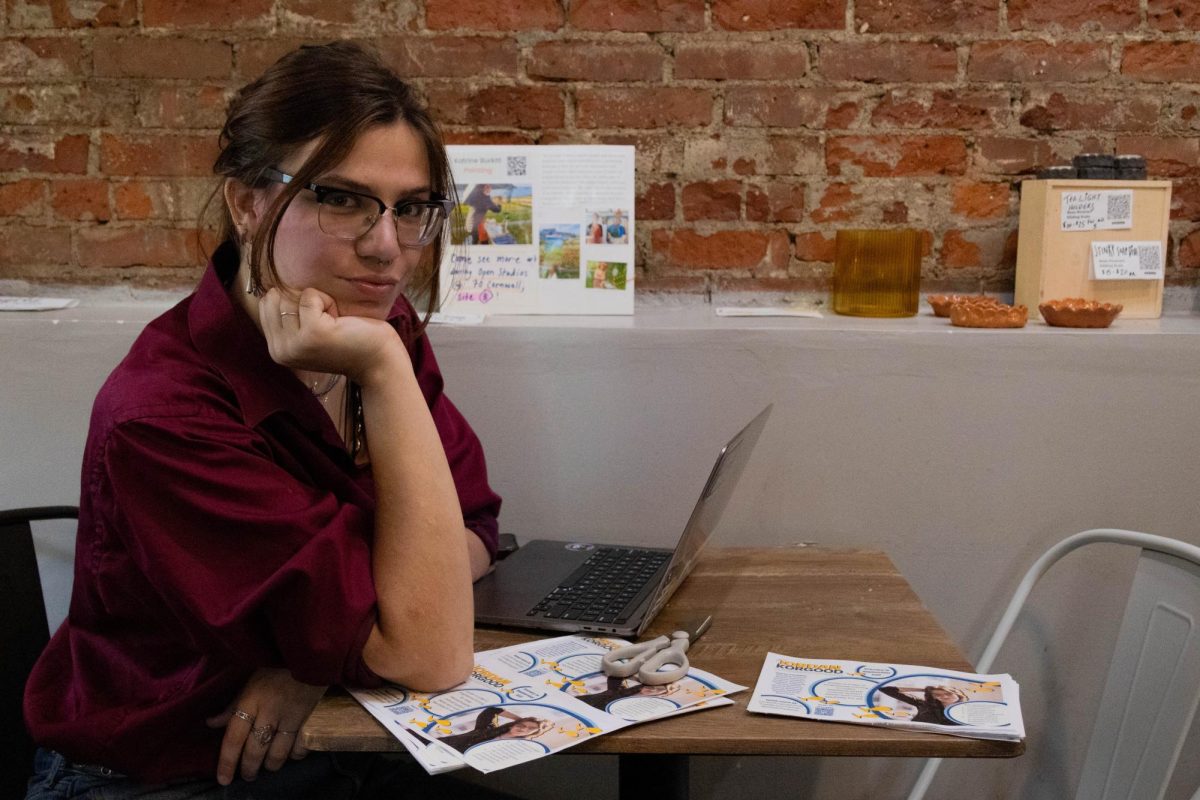
Nicoleta Savvidis, a fourth-year health science major at Northeastern, born and raised in West Roxbury, said, “Boston is a small city, a quieter version of New York.” Quiet as it is, she added, “People complain about how there’s nothing to do in Boston, such bad nightlife, but you have to look in the right places.”
Boston wouldn’t be Boston without the more than 44 colleges and universities that call it home, including high-profile institutions like Harvard University and the Massachusetts Institute of Technology. According to the City of Boston’s 2025 Housing Report, more than 162,000 students were enrolled in Boston-based undergraduate and graduate programs in the fall of 2024.
Anna Ives, a fourth-year psychology major at Northeastern, came to Boston from Tennessee. “I wanted a new experience … and Boston is definitely a change.” Drawn primarily by Northeastern’s co-op program, Ives is packing up and heading to St. Louis after graduation for her master’s in social work. “I embraced it for four years, but I knew early on I wouldn’t stay forever.”
Many of these students are admittedly “city transplants,” struggling through four brutal winters, then running for the hills after they graduate with a degree. Even with this annual mass exodus from the city, new students are moving in to take their places at higher rates than Boston’s housing can keep up with. Universities like Northeastern are receiving record applications, and enrollment rates have increased for seven consecutive years.
Still, residents say really getting to know the city involves knowing where to look.
“There’s a lot more to [Boston] than just the Freedom Trail and the Red Sox. Although I do love the Red Sox,” said Kennedy, who resides in Medford, Mass. “I feel like I’m in a neighborhood of Boston, and it’s a really big, interesting area.”
Despite Boston’s flaws and bitterly cold, seemingly eternal winters, “There’s a lot of life to be lived here,” Amaya said.