On the morning of Oct. 7, 2023, I woke in Nablus, Palestine to the smell of burning Arabic coffee. I found my roommate staring transfixed at her phone. We stood there barefoot, silently reading the news about Hamas’ attack as the coffee boiled over.
It’s been two years now since Palestinians have known any sense of relative calm, and now, this calm has the hesitant potential to soon return. With the new ceasefire deal having been recently made official, I want to tell the Northeastern community about my experience as an English teacher in Palestine. My perception, initially influenced by a Western outlook that is too quick to dismiss headlines as horrific events occurring in a distant land, was changed immensely by the kindness of the Palestinian people.

Palestine is more than the violence inflicted upon it. Palestine, in my memory, is children running barefoot in a mosque and kittens playing in soap factories older than America. Palestine is tatreez dresses, palm trees and a man riding a horse bareback down the city’s main street. Palestine lives in the hearts of the people, who are some of the most generous souls I’ve ever known.
Despite my country’s ruinous history in the Middle East, every Palestinian I met welcomed me with overwhelming enthusiasm. I had the privilege of working as an English teacher in An-Najah National University, and my colleagues embraced me immediately. They shared apple shisha and history of the Old City, kunafa and their love of late night car rides. Katy Perry blasted over the loudspeakers in huge malls, and Fairuz drifted through bazaar stands. Modernity and history wove together intoxicatingly over the biblical hills of Nablus.

During my second week, my friends took me to Beit al Zaki, an ancient tree overlooking the West Bank. Beit al Zaki bows parallel to the earth, bent by centuries of wind. Wind that carries the smell of the approaching olive season, billowing through keffiyehs like a storm on the sea. At least, the closest thing to the sea that some Palestinians have ever seen — they’re blocked from the Mediterranean by checkpoints and machine guns.
Despite what you may have heard, the Palestinians I knew didn’t celebrate on Oct. 7. Instead, they feared the brutal retaliation they knew would soon come in the form of intensified Israeli Defense Force, or IDF, presence and settler violence. My friends knew that the bombs drowning their people bore my country’s flag. Despite this, they asked only if I was safe.
Our English classes, which were held online when the university announced a lockdown, turned into group therapy. “I really don’t feel my body. I can’t imagine how they [the IDF] are so unmerciful,” one student told me over Zoom. “It has been an issue for more than 70 years, but we can no longer tolerate life like this. When will the world break its silence and tell the truth?”
And yet, they didn’t blame Americans; they blamed complicity. They watched Americans protest the murder of George Floyd but ignore over 75 years of Palestinian suffering. They told me they knew Americans weren’t heartless but that they just didn’t seem to care when it came to Palestine. They knew our media and politicians addressed only Israeli tragedies in order to keep funding the occupation of the West Bank and the genocide in Gaza. However, they firmly believed Americans could and should take initiative to inform themselves and act accordingly. The deep and justified distrust of America shook me to my core.

When the genocide escalated, I fled Nablus and crossed into Jordan. Every time I presented my passport, I was reminded that the same country that enables the repression of Palestinians was my ticket out. A month later, I found myself in the back of a small shop thick with myrrh. When the Palestinian shopkeeper noticed me watching the TV over his shoulder, he pressed a paper cup of sugared black tea into my hand. Together, we watched as his people dug through rubble in a desperate attempt to locate the remains of their loved ones.
“Israel thinks it is killing the children,” he said quietly. “No, the children are going straight to Allah.”
The shopkeeper noticed the expression on my face, a trembling twist of fury and guilt. “Yeah, it’s because of you Americans. No, don’t apologize. You are not bad, you’re powerless. We are all powerless.” He smiled softly. “Alhamdulillah. Thank God to die on Palestinian soil. They are so lucky.”
I flew home to the Montreal airport soon after. When my mother hugged me as though her own body was being returned to her, I thought of all the mothers who would never again hold their children.
Two years later, Palestine still comes to me like a waking dream all the time. As we worry about co-ops and Canvas assignments, I pray those bright students who send me videos of tanks rolling down their streets are still pursuing their dreams amid gunfire. As I listen to my classmates make case studies out of the children that played soccer in the street, I pray those children will have the chance to grow up. God willing, I pray that the shopkeeper is still drinking tea.
I don’t claim to know what to do with any of this — God knows I don’t. But doing nothing is not an option.
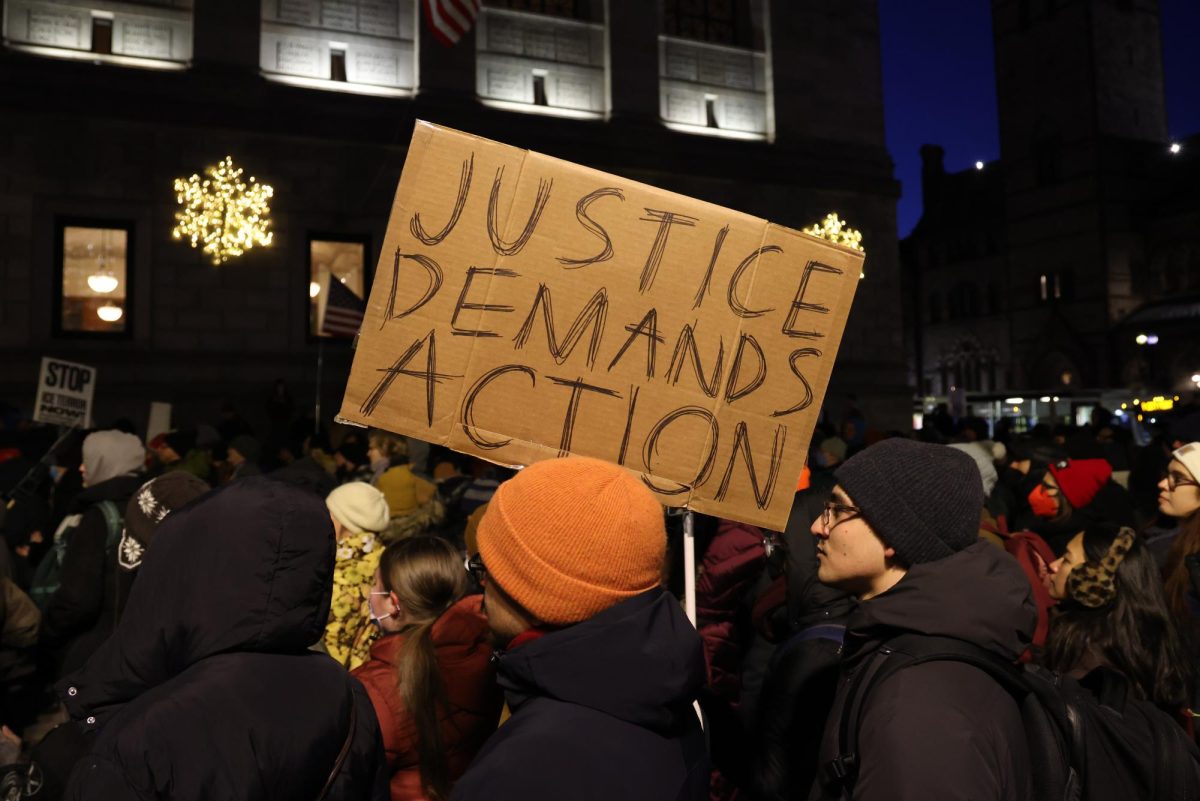
These stories are what you haven’t heard about Palestine. This is the little I had the privilege of learning. But this is what deserves to be remembered, and it is why we must keep fighting for Palestine — and why we must protest the idea that the ceasefire deal Israel and Hamas signed Oct. 9 is a “peace” plan. Peace is reserved for the presence of justice, which simply isn’t possible amid blockades, occupation and complete control of movement. Until Palestinians know justice, until Palestinians can be assured that they will live and die in this land they call home, we must never rest.
Rebecca Orten is a second year journalism and cultural anthropology combined major. She can be reached at [email protected].
If you would like to submit a letter to the editor in response to this piece, email [email protected] with your idea.